English
 Español
 Français
 Deutsch
 Italiano
 Português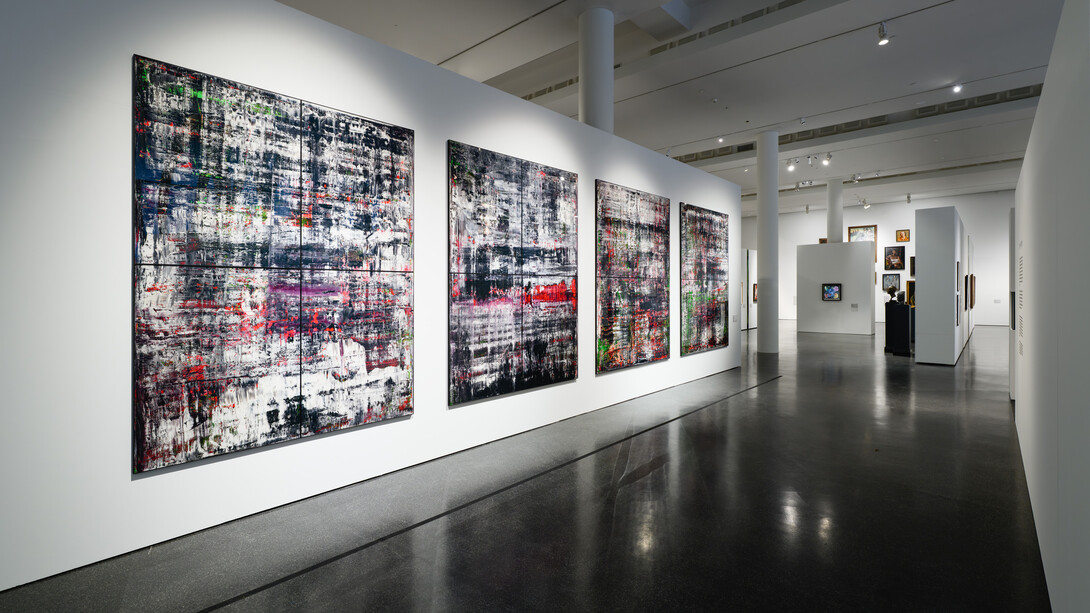
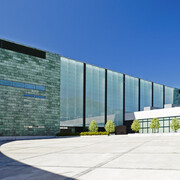
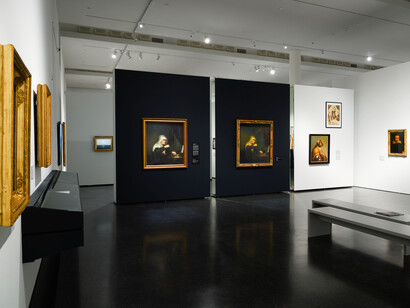
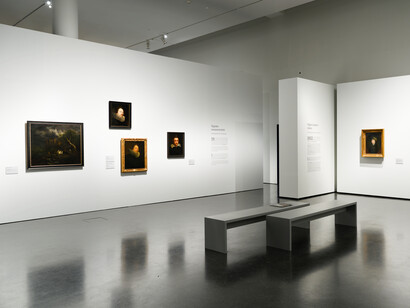
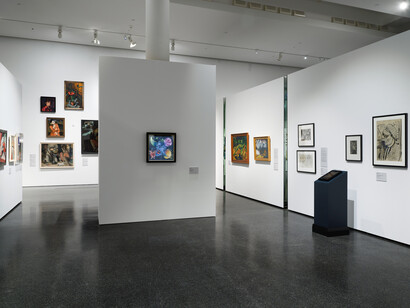
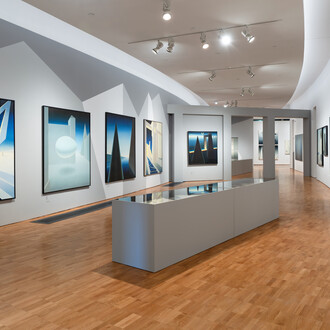
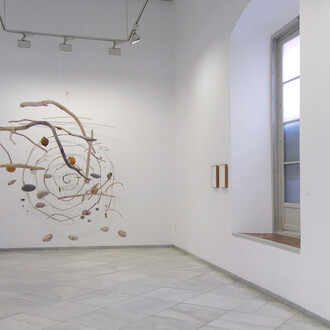
From Friday, 24 October, the Great Hall of the Kumu Art Museum will host a high- profile joint exhibition by the Art Museum of Estonia and the Dresden State Art Collections, Spiegel im spiegel: encounters between Estonian and German art from Lucas Cranach to Arvo Pärt and Gerhard Richter. After a successful run in Dresden over the summer, the exhibition will now open in Estonia. It is being curated by Kadi Polli, Marion Ackermann and Sergey Fofanov.
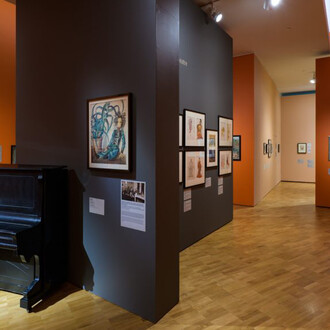
At the heart of the exhibition is the artistic dialogue between the Dresden-based artist Gerhard Richter and the Estonian composer Arvo Pärt. The exhibition’s title, Spiegel im Spiegel, is a reference to Pärt’s work of the same name. Richter and Pärt share common ground in their experience of life under socialist regimes and their engagement with the traumas of World War II, as well as in their pursuit of freedom and spirituality. Pärt’s music and Richter’s paintings have been presented together on previous occasions; now, for the first time, Pärt’s manuscripts and musical diaries are exhibited alongside Richter’s work.
The exhibition highlights the rich cultural exchanges between German, with a focus on Saxony, Baltic German and Estonian art. It brings together the works of August Matthias Hagen and Carl Gustav Carus, Eduard Wiiralt and Otto Dix, Konrad Mägi and Max Pechstein, Ülo Sooster, Aili Vint and Joseph Beuys, and many other artists who hold prominent places in Estonian and German art histories.
“We have created twelve encounters – or dialogues – that span centuries of Estonian-German shared history. They cover the period from the 13th century, through the Baltic German nobility and Russian Tsarist rule, to Soviet Estonia and the socialist German Democratic Republic, in the latter half of the 20th century. Contemporary art interventions also play an important role, with Kristina Norman exploring Hanseatic heritage and Jaanus Samma examining Estonian and German national stereotypes. For the first time in Estonia, Edith Karlson’s Hora lupi, created for the Estonian Pavilion at last year’s Venice Biennale, will be on view in the Kumu atrium,” says Kadi Polli, curator of the exhibition and director of the Kumu Art Museum.
A book in Estonian, German and English accompanies the exhibition. For families, the exhibition includes a reflection-inspired activity space and Soviet-era animated films set to Arvo Pärt’s music.