English
 Español
 Français
 Deutsch
 Italiano
 Português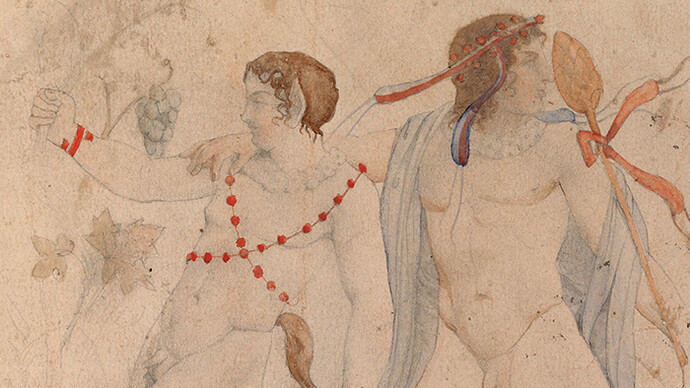
Although Auguste Rodin is universally recognized as a sculptor, he was also a passionate draftsman. “It’s quite simple: my drawings are the key to my work,” he confided to journalist René Benjamin in 1910.
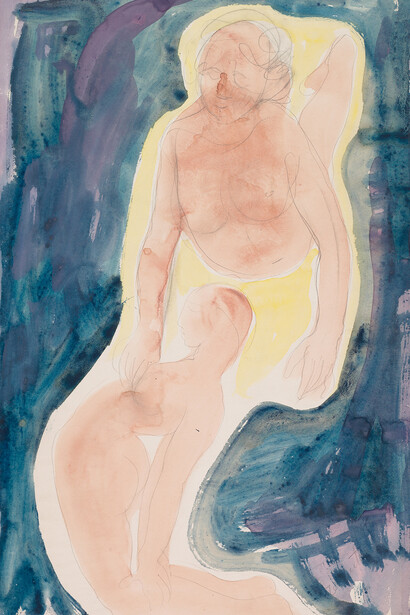
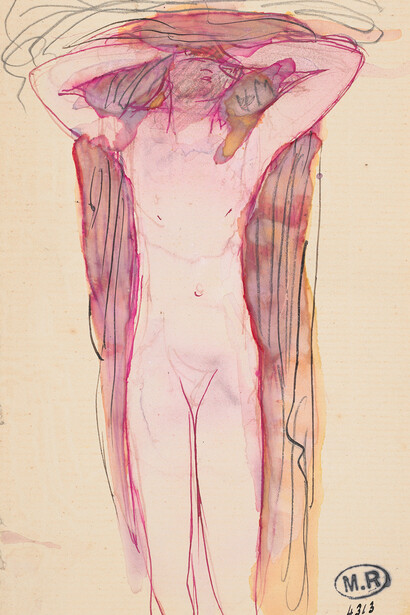
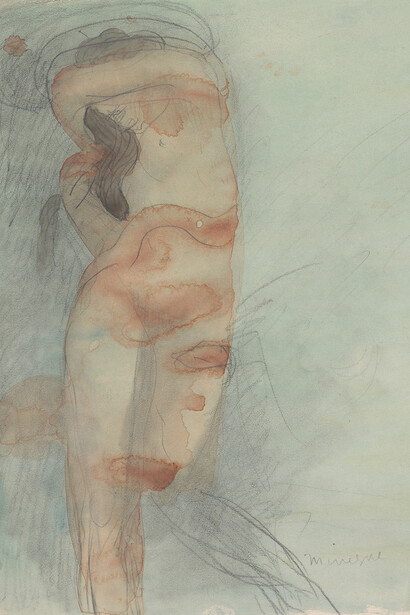
Sketching continually, the artist produced close to 10,000 drawings during his lifetime, 7,000 of which are preserved in the Musée Rodin. From this exceptional collection, the exhibition “Rodin. Drawings Unbound” presents a selection of almost 70 drawings that exemplify a little-known aspect of his art, and a practice that was constantly reinventing itself.
Six thematic sections punctuate a presentation that is both chronological and stylistic, providing an overview of the major collections that make up the museum’s graphic arts collection, based on the intrinsic characteristics of the drawings. They explore the processes invented by the artist, drawing on a body of work ranging from his formative years to the luminous drawings of his maturity, including the “black” drawings inspired by The divine comedy and his experiments with color in his twilight years.
Assemblage, the art of the fragment, a taste for series, the visibility of the gesture, the quest for movement, and above all his constant reworking of his drawings, led to the creation of a pure language of forms and colors, placing Rodin at the forefront of modernity. Like sculpture, drawing was for Rodin a place for all kinds of experimentation, whether formal, technical, or expressive.
![Mary Cassatt, Fillette dans un fauteuil bleu [Enfant dans le salon bleu] (detail), 1878. Courtesy of Musée d’Orsay](/attachments/3ddcf3630b2e6b21d055a8488350d949784be8fa/store/fill/330/330/9b97dc5b17cad42577b6453f0968e961b1231ceb2b8b5ceb2c09057b2695/Mary-Cassatt-Fillette-dans-un-fauteuil-bleu-Enfant-dans-le-salon-bleu-detail-1878-Courtesy-of.jpg)