English
 Español
 Français
 Deutsch
 Italiano
 Português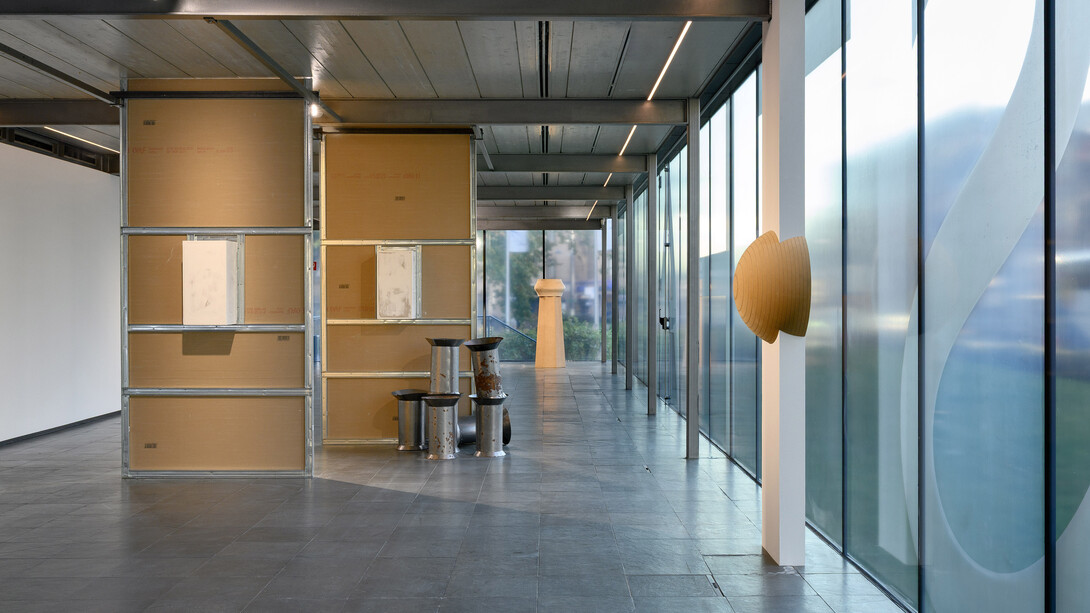
Jonida Laçi (b. 1990, Durrës, Albania) and Luīze Nežberte (b. 1998, Riga, Latvia) have been awarded the Kunsthalle Wien Preis 2025. Established initially in 2002, it is organised in collaboration with the Academy of Fine Arts Vienna and the University of Applied Arts Vienna. The prize aims to both recognise and support a new generation of artists with an annual award for outstanding diploma presentations selected from candidates working in different media and with diverse subject matter. Laçi and Nežberte receive a joint exhibition at Kunsthalle Wien Karlsplatz with an exhibition catalogue published in German and English and a € 3,000 award.
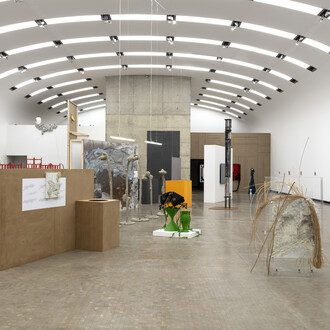
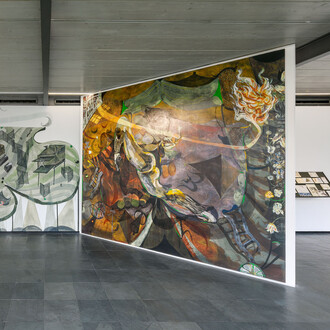
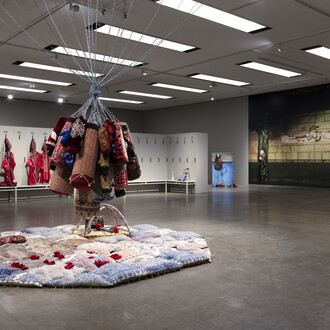
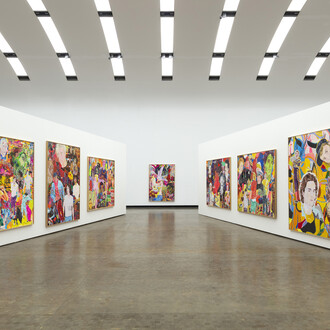
The exhibition has been developed to reflect the cohesion between the two distinct and autonomous practices of Laçi and Nežberte, who each present versions of their diploma exhibitions, with site-specific adaptations and new works for its presentation at Kunsthalle Wien Karlsplatz.
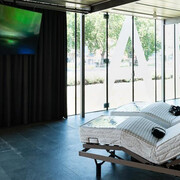
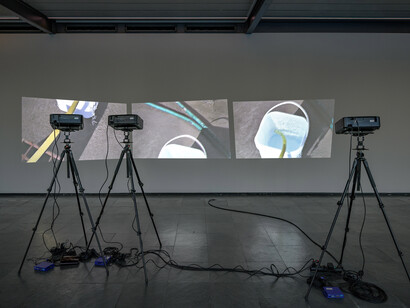
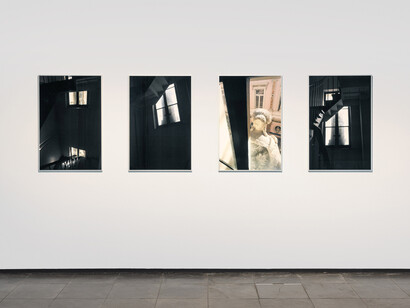
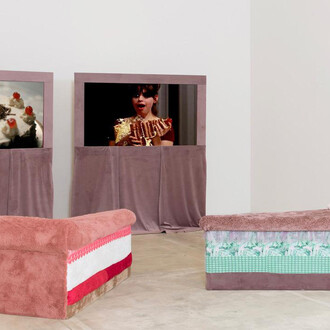
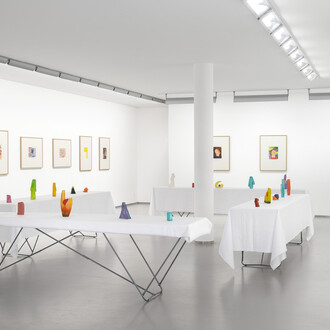
Jonida Laçi studied in the departments Art and Space | Object as well as Art and Time | Media at the Academy of Fine Arts Vienna. Employing a range of media, Laçi creates works that exist between sculpture, video, photography, installation and text-based practices. She explores the production and perception specific to each medium through questions around form, the gaze, translation and the parameters of standardisation. Laçi’s diploma presentation Ajar (2025) utilised spatial installations to interrogate framing and modes of display in the construction of images and sculptures, enlisting viewers as active participants in the construction of meaning. Often influenced by details from everyday life, much of her work examines how socio-economic inscriptions are embedded in familiar materials, spaces and procedures – shaping affects and knowledge.
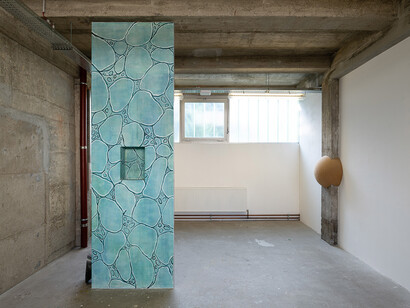
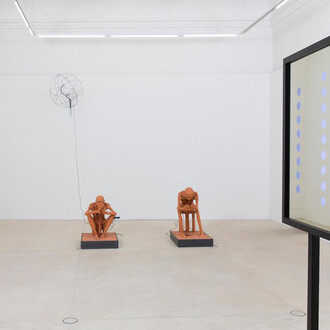
Luīze Nežberte studied Sculpture and Space at the University of Applied Arts Vienna. Her work considers methods of collecting, quoting and recontextualising material via sculpture, often working with existing architectural forms. Through an engagement with personal memory, vernacular form and historical narratives, she examines how each work reshapes these relations in an exhibition context. Nežberte’s diploma presentation We could listen much longer, but it is late by now (2025) centred around sculptural reinterpretations of historical architecture, taking the Gaides Meeting House (built in 1739 by Latvian followers of the Moravian Brethren) as a point of departure. Nežberte reinterprets these forms as spatial installations, utilising common building materials such as MDF and drywall, in order to investigate how cultural memory is negotiated through process of reconstruction and material transformation.
The exhibition is accompanied by a new book published in German and English by Kunsthalle Wien. Edited by the exhibition curators, Anna Marckwald and Hannah Marynissen, it is richly illustrated with images of works by Jonida Laçi and Luīze Nežberte and contains specially-commissioned essays by Mirela Baciak, Director of Salzburger Kunstverein and Vienna-based critic, writer and curator, Chris Clarke.