English
 Español
 Français
 Deutsch
 Italiano
 Português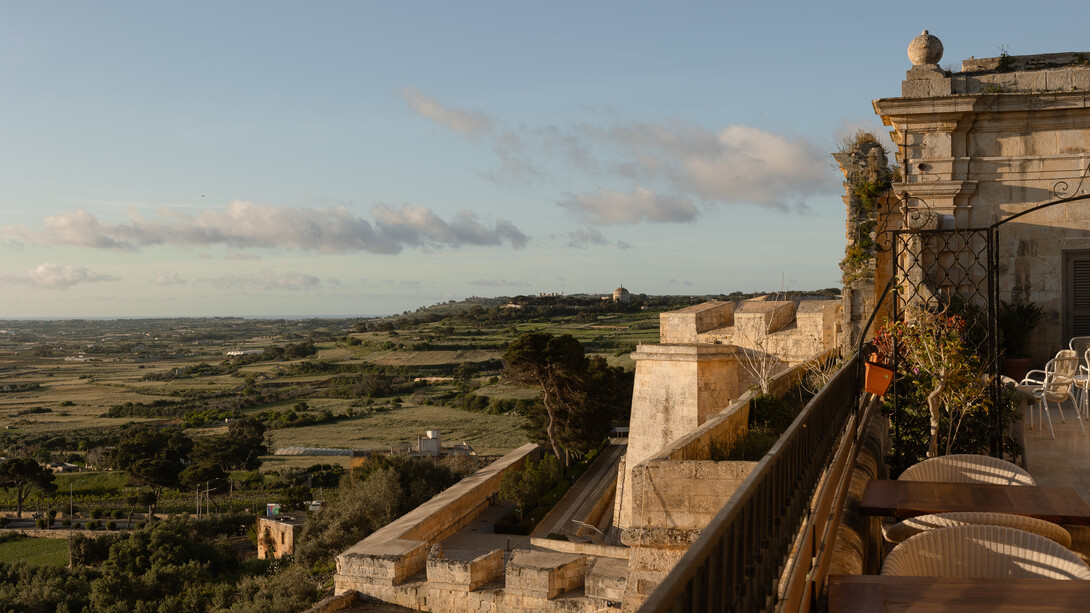
Malta, an island nestled in the heart of the Mediterranean—south of Sicily, east of Tunisia, and north of Libya—lies almost at the very centre of the sea. Its location explains the captivating layering of cultures, histories, and influences that shape its identity. Stepping onto Maltese soil is like entering a world that exists somewhere between past and present, where every stone, street, and corner tells a story. Although not far from Europe, it feels like an entirely different realm, a place suspended in time, filled with quiet mystery and the echoes of generations past. Visiting Malta is less about ticking off landmarks and more about wandering slowly, listening to the subtle hum of life beneath centuries-old walls.
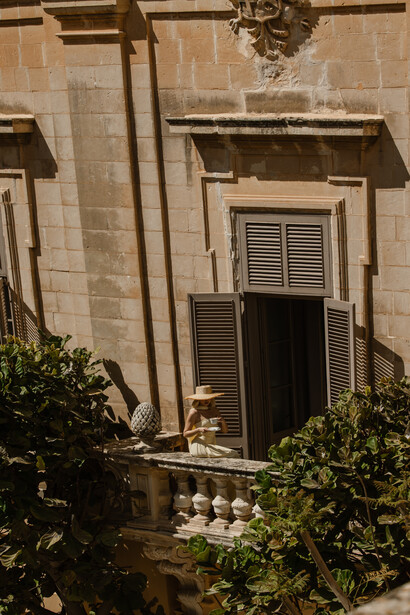
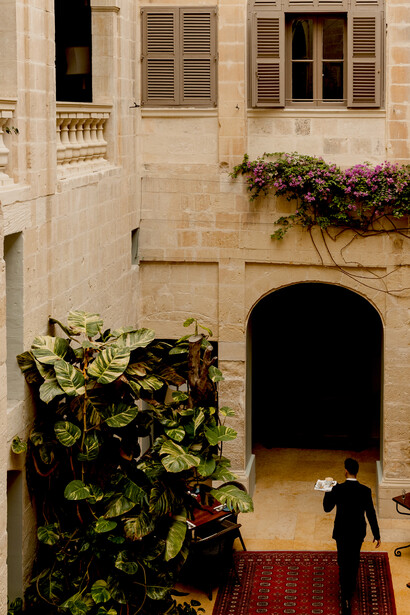
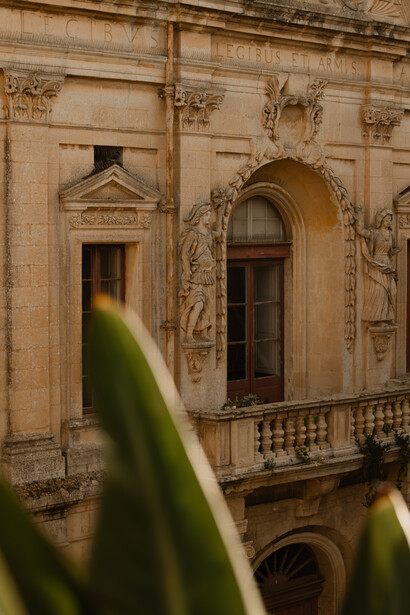
We arrived in the middle of the night after a bumpy flight from London. By the time we reached the Xara Palace, nestled within the ancient fortifications of Mdina, we were weary, dusty, and mildly disoriented from wandering the honey-coloured streets of the old city. The entrance, however, promised something unexpected: it felt less like the threshold of a hotel and more like stepping into a private home with the door left open for us. This first impression set the tone for our entire stay—a quiet intimacy that seemed effortlessly designed to make visitors feel at home.
With only a few rooms, yet every detail feels deliberate. Its stone walls have absorbed centuries of tranquillity, and the layout encourages a natural, unhurried pace. Unlike more luxurious hotels, nothing here seems designed for show; it feels lived-in, as if the building has grown alongside its guests over time. There is a peaceful rhythm to the palace, mirroring the island's gentle pulse. Walking through its corridors, you tend to slow your steps, breathe more deeply, and notice the soft textures of stone and wood, the interplay of light on aged surfaces, and the quiet sense that every detail is subtly aware of your presence.
Our suite was an extraordinary revelation. From the balcony, the view stretched across rolling countryside to the shimmering expanse of the Mediterranean beyond. A private jacuzzi provided the pleasure of solitude, yet the true luxury was simply being there, allowing the scene to unfold before us. By nightfall, the landscape changed: rooftops and streets sparkled under gentle lamplight, the horizon shimmered with the distant reflection of the sea, and stars twinkled overhead in a clear, unpolluted sky. There was magic in this stillness—a magic that urged us to pause and savour every detail.
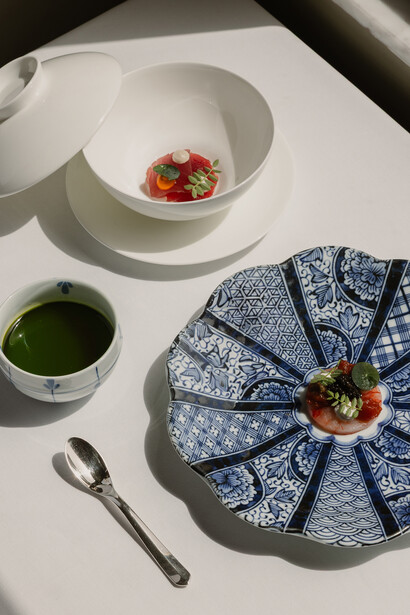
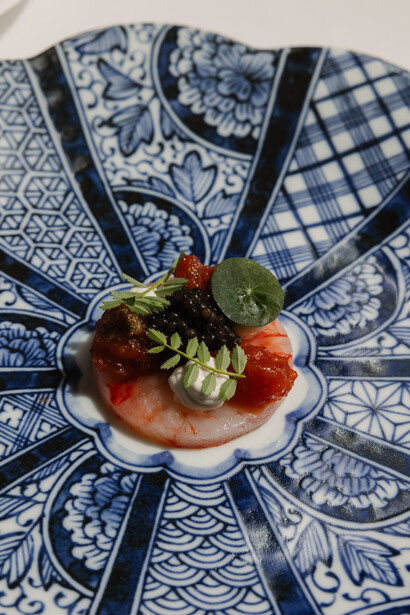
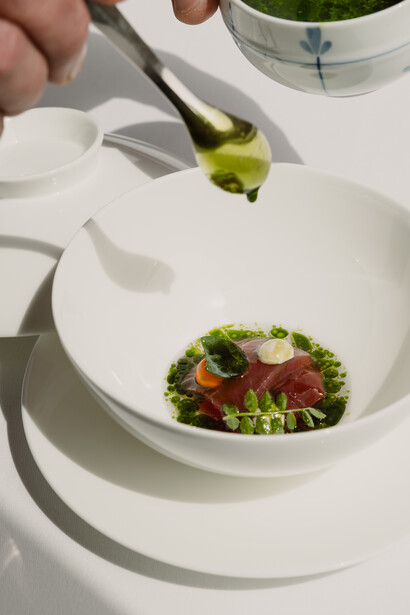
That evening, we uncorked a bottle of wine and savoured local delicacies. Ftira, a Maltese flatbread similar to a sandwich or thin pizza, was filled with tuna, capers, olives, tomatoes, and a drizzle of olive oil. Alongside it, creamy Bigilla—a mashed broad bean dip with garlic and olive oil—offered simple perfection. Eating there, in the palace's quiet atmosphere, felt like more than just a meal; it was a ritual of shared stillness, a way to connect with the island’s rhythm.
The following morning, we woke before sunrise. The room was unusually quiet, the kind of silence that demands attention. Instead of going back to sleep, we sat at the breakfast table and watched Mdina wake up gradually. The sky changed in a painterly sweep from lavender to peach, then pale gold. A few early risers crossed the square below, their footsteps softly echoing on the stone. In that light, the city felt ours alone, a private spectacle set aside for those awake at the perfect moment.
Later, wandering through Medina's narrow lanes, the layers of history become impossible to ignore. Known as the “Silent City”, Medina's quiet is textured, a silence full of secrets waiting to be uncovered. Baroque buildings, tiny chapels, and hidden courtyards whisper of centuries past. Around every corner, unexpected details emerge: a carved stone doorway, a sun-dappled square, or a sudden view of the countryside beyond the city walls. Each moment feels intensely personal, a discovery that cannot be rushed or faked.
Returning each evening to the Xara Palace, we would linger on the terrace as the sun sank behind distant hills and the city lights began to twinkle softly. The hotel’s quiet intimacy invited reflection, allowing the day's beauty to settle deeply. The stillness of the rooms, the gentle echo of our footsteps along stone corridors, and the understated elegance of the surrounding landscape became part of our daily rhythm. Here, travel was not about ticking off sights but about inhabiting a moment, fully present in time, letting Malta’s subtle magic seep into every sense.
And did you know that the island is home to the largest Caravaggio painting in the world? The Beheading of Saint John the Baptist (1608) resides in St John’s Co-Cathedral in Valletta, a masterpiece as vivid and dramatic as the streets and centuries of history that surround it. Malta is a sanctuary of gentle awakenings, quiet afternoons, and reflective evenings—a place where history and modern life coexist seamlessly, and where small, intimate moments linger long after departure. The Xara Palace and the ancient streets of Mdina offered not merely a visit but an invitation to be fully present. Here, the ordinary becomes extraordinary, and every street, every meal, and every sunset transforms into a golden memory, quietly waiting to be discovered.