English
 Español
 Français
 Deutsch
 Italiano
 Português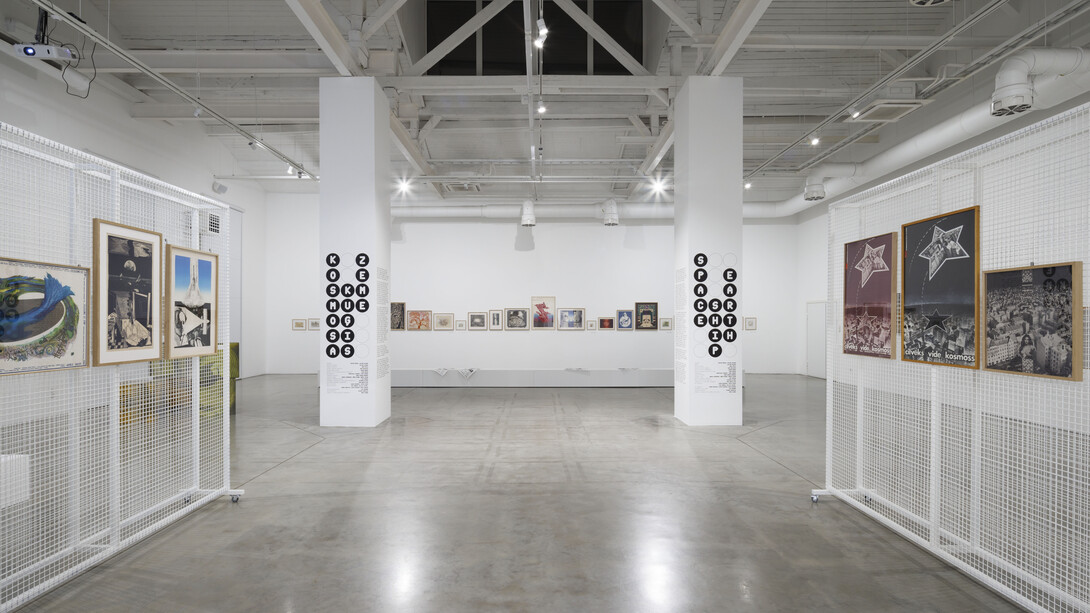
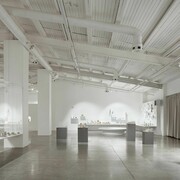
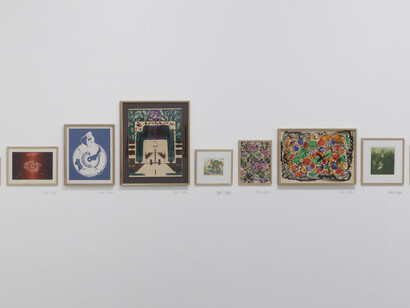
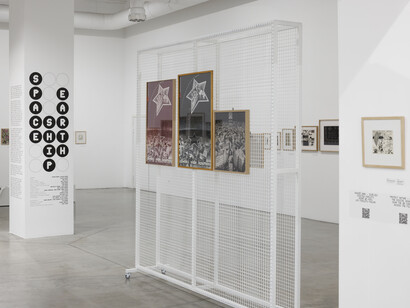
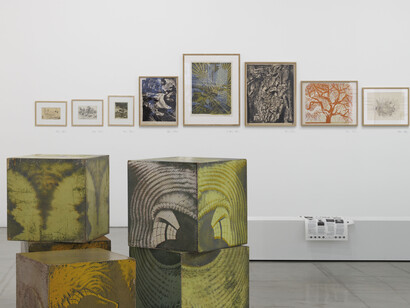
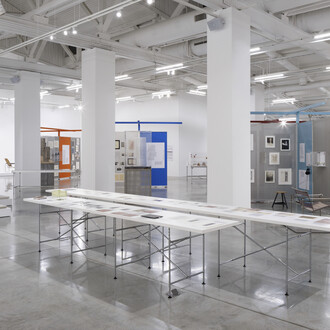
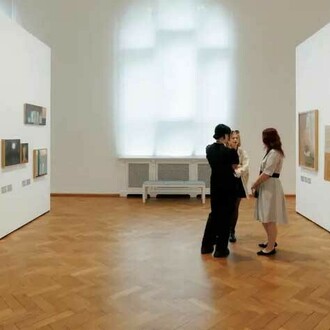
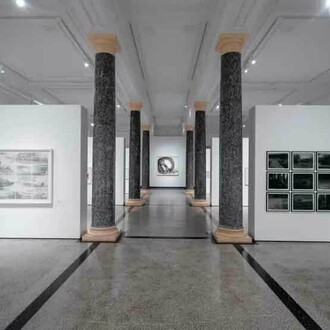
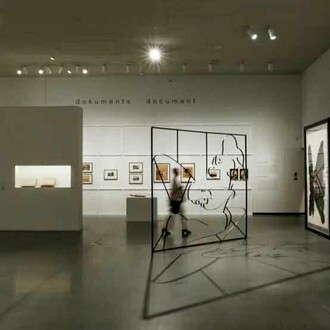
From October 10 until December 28 Art Museum Zuzeum will present the exhibition Spaceship Earth, featuring more than 50 graphic artworks from the Zuzāns Collection. The exhibition invites to reflect on ways of being in the world – a world that is adapted, transformed, violated and lived.
The exhibition Spaceship Earth begins with a meeting between two kindred artifacts from 1977 – Uldis Brauns’ documentary Journey to Earth, with a poster created by artist Ilmārs Blumbergs, and NASA’s space probes Voyager 1 and Voyager 2, which continue their journey through the Solar System to this day.
In 1977, documentary filmmaker Uldis Brauns also released his film essay Journey to Earth, which portrays a contradictory, accelerating, and fragile world: technological advancements and the Space Race, the ecological toll of consumerism and industrialization, the threat of nuclear war, abundance and destruction. By sequencing newsreel cuts from seventy-two countries, Brauns invites us to see our planet as a spaceship – one that everyone is responsible for maintaining and protecting. The film’s poster features Ilmārs Blumbergs’ colour lithograph Opposites, in which the elemental forces of nature morph into streams of information – “symbols, mystical and esoteric drawings, ciphers, pictograms, and messages about ourselves that humankind sends into the universe.”
Meanwhile, the Voyager probes, carrying two Golden records of eclectic playlists of the sounds of our planet and greetings in fifty-five languages, serve as time capsules from the latter half of the 20th century. With an expected lifespan of at least one billion years, the Golden Records were conceived as a message to other intelligent beings, should they one day encounter them.
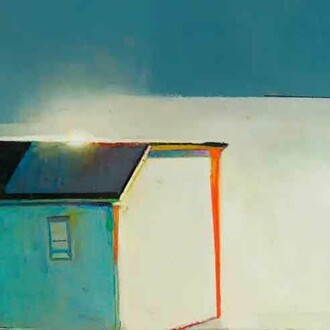
Continuing this interplay, Spaceship Earth offers a reflection on human relationships with the environment. The exhibition includes works by Māris Ārgalis, Lilija Dinere, Dzidra Ezergaile, Inārs Helmūts, Zenta Logina, Genādijs Suhanovs, Semjons Šegelmans, Nele Zirnīte and others.