English
 Español
 Français
 Deutsch
 Italiano
 Português
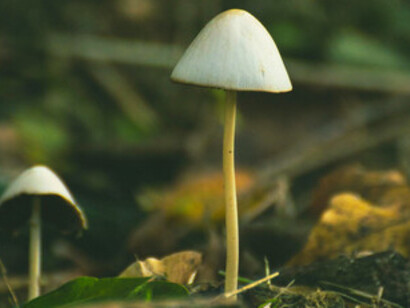
It begins with a speck. A fragment so small you wouldn’t feel a buzz, see a swirl of color, or hear the walls whisper secrets. But according to a growing chorus of scientists, mental health experts, and anecdotal users, a sub‑perceptual dose of a psychedelic compound—just a few micrograms of LSD or a sliver of psilocybin from “magic mushrooms”—might quietly change the brain in powerful ways.
This is the paradoxical world of microdosing, where tiny quantities of once‑taboo substances are being explored not for altered consciousness, but for therapeutic promise. Depression, anxiety, PTSD, chronic pain, burnout, even cognitive dullness—some believe microdosing may hold the key to treating them, and scientific inquiry is catching up.
But can a microscopic dose make a meaningful impact? What does the evidence say? And where do the science and ethics intersect?
What is microdosing, really?
Microdosing typically involves taking 5‑10% of a standard psychedelic dose every few days. For LSD, that means around 10–20 micrograms, while for psilocybin, doses range from 0.1 to 0.3 grams of dried mushrooms. The goal is not to hallucinate but to enhance mood, focus, and emotional resilience while maintaining full functionality.
Advocates report subtle yet noticeable shifts, including clearer thinking, reduced rumination, enhanced creativity, and better emotional regulation. It’s not about escaping reality—it’s about tuning into it more fully.
Neuroplasticity and network resetting
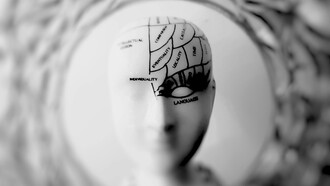
Emerging research suggests psychedelics—even in microdoses—may enhance neuroplasticity, boosting the brain’s ability to form and rewire neural connections. This is particularly relevant for conditions like depression, where mental patterns often become rigid.
Central to this is the default mode network (DMN)—a brain system involved in self-reflective thought and rumination—often overactive in depression and anxiety. Low doses of psychedelics may dampen DMN activity, allowing the brain to reset and find new perspectives.
A 2020 Maastricht University study showed that low‑dose LSD increased emotional empathy and brain connectivity without cognitive impairment. Meanwhile, animal and in vitro research has demonstrated psychedelics can stimulate growth in dendritic spines, which are the neural building blocks of learning and memory.
From war trauma to workplace burnout
While high-dose psychedelic therapy—delivered in clinical settings with trained professionals—is gaining traction for PTSD and end-of-life anxiety, microdosing offers a potential low-intensity, integrated daily approach.
Depression & anxiety
Early findings from institutions like Imperial College London and Johns Hopkins suggest structured microdosing protocols may alleviate symptoms of treatment-resistant depression. But rigorous placebo-controlled trials remain limited.
PTSD & trauma
Microdosing LSD is under investigation for its effects on fear extinction and memory reconsolidation—mechanisms central to processing trauma. Although MDMA-assisted therapy leads the field in PTSD treatment, microdosing may serve as a gentler adjunct over time.
Cognitive enhancement & ADHD
Self-reported benefits include improved flow state, focus, and creative thinking. A 2021 Nature: Scientific Reports study observed enhanced divergent and convergent thinking—mental flexibility linked to effective problem-solving.
However, researchers caution that placebo effects and self-selection bias remain strong confounders.
Real‑world examples: clinics and advocacy in Europe
Germany: OVID clinic
One of the first clinics in Europe offering regulated psychedelic-assisted therapy is the OVID Clinic in Berlin. While their main focus is full-dose psilocybin and ketamine therapies, the clinic is part of a broader movement in Germany and across Europe to legitimize psychedelic treatments under medical supervision. Their interdisciplinary team includes psychiatrists, psychotherapists, and neuroscientists, all working under strict ethical and clinical frameworks.
Although microdosing is not yet prescribed as a treatment under German law, OVID closely follows international research and supports public education on responsible psychedelic use. The clinic also collaborates with researchers studying the neurobiological underpinnings of psychedelic-assisted therapy, including trials that inform microdosing practices.
Italy: SIMEPSI and the first psilocybin trial
In Italy, progress is accelerating. The Società Italiana di Medicina Psichedelica (SIMEPSI)—the country’s first scientific society dedicated to psychedelic medicine—brings together psychiatrists, neuroscientists, legal experts, and philosophers. It aims to foster evidence-based dialogue, promote clinical research, and collaborate with institutions to shape safe and regulated access to psychedelic therapies.
In July 2025, Italy’s Agenzia Italiana del Farmaco (AIFA) greenlit the first psilocybin clinical trial in the country. Coordinated by the Istituto Superiore di Sanità, this 24‑month study will treat 68 patients with treatment‑resistant depression at hospitals in Chieti and Foggia, using advanced neuroimaging to identify biomarkers and test potentially non‑hallucinogenic psilocybin derivatives.
Additionally, Italy is part of the broader European push: SIMEPSI supports the PsychedeliCare.eu European Citizens’ Initiative, which aims to gather over 1 million signatures to encourage the EU to fund psychedelic research and update regulation across all member states.
Clinical trials and the road ahead
Globally, microdosing research continues to transition from anecdote to rigor, with key initiatives including:
Beckley Foundation (UK): Studies on LSD microdoses and emotional/cognitive outcomes.
MindMed & Usona Institute: Trials for ADHD, anxiety, and cluster headaches.
Imperial College London: Psilocybin microdosing trials with placebo‑control.
University of Toronto: Longitudinal psychological impact of structured microdosing.
These are largely double-blind, placebo-controlled studies, often using active placebos to mitigate expectation bias. Initial data suggests potential benefits, though larger-scale replication is needed.
Risks, legal context & ethical considerations
Despite promising signs, microdosing carries risks:
Tolerance & Dosage creep: LSD users may escalate frequency or dosage over time.
Serotonin receptor effects: repeated activation of 5-HT2B may pose cardiac risk.
Mental health vulnerabilities: individuals with histories of psychosis or bipolar disorder may be particularly susceptible to adverse effects—even at low doses.
Legally, LSD and psilocybin remain Schedule I substances in Italy under DPR 309/90, limiting use strictly to regulated clinical and research contexts. Microdosing outside of these settings is illegal.
Ethical questions also persist: Could microdosing reinforce social divides if accessible only to privileged users? Does it risk reducing complex therapeutic traditions to quick self‑help tools?
Between placebo and potential
The major challenge for microdosing science is disentangling real neurobiological effects from expectation bias. One large citizen‑science effort—Microdose.me with 8,500+ participants—reported mood and attention improvements but acknowledged limitations in self-selected cohorts.
Still, many experts argue that even placebo‑driven benefits might carry value when conventional therapies fail. Yet the scientific community continues to call for rigorous trials before mainstream adoption.
Conclusion: tiny dose, big questions
The world of microdosing stands at an intersection: between neuroscience and anecdote, innovation and regulation, promise and peril. If ongoing clinical trials confirm that sub‑perceptual doses can reshape emotional circuits, improve cognition, and support healing, we could witness a paradigm shift in mental health care.
Institutions like SIMEPSI in Italy, along with pioneering European clinics like OVID in Germany, mark the start of a responsible, science-rooted journey. But for now, progress will emerge one carefully orchestrated trial at a time.
In the evolving field of psychedelic science, sometimes the smallest doses deliver the biggest insights.