English
 Español
 Français
 Deutsch
 Italiano
 Português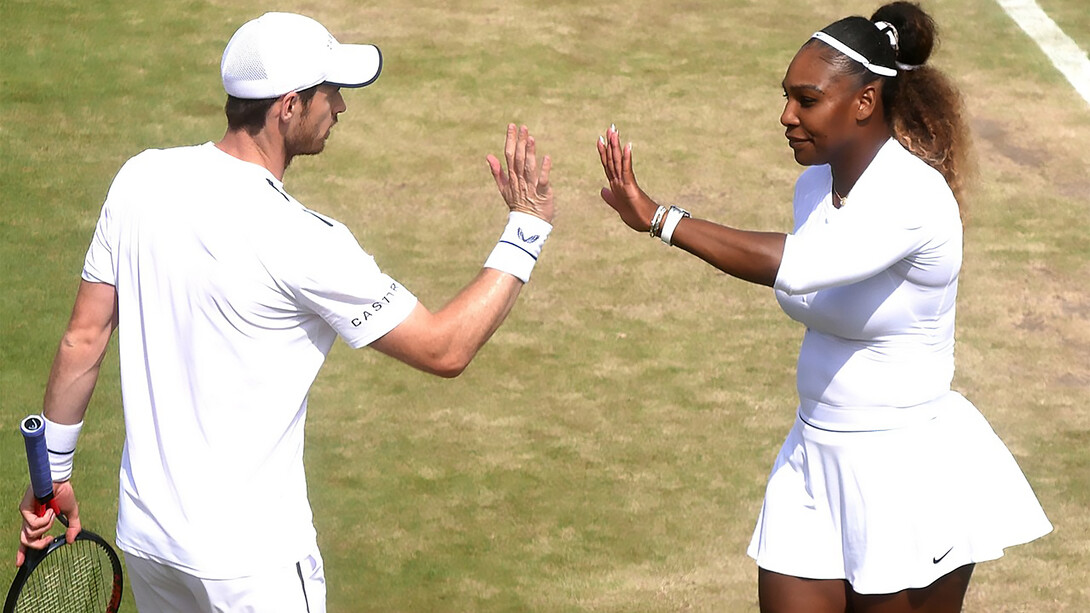
Throughout the last few years, we have witnessed many different calls for action to ensure pay equity in salaries in the sports industry. A recognized movement, primarily driven by the American women’s football players’ lawsuit against the U.S. Soccer Federation, led to equal salaries for women and men on the national teams. Similarly, the Norwegian Football Association announced that their women’s national team would now earn the same salary as the men. However, these are examples of a few effective initiatives, with female athletes mostly earning significantly less than their male counterparts in many sports.
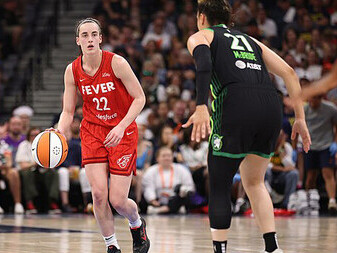
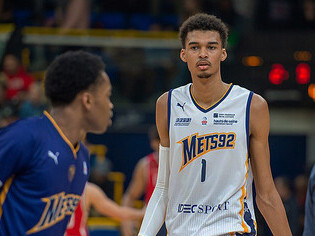
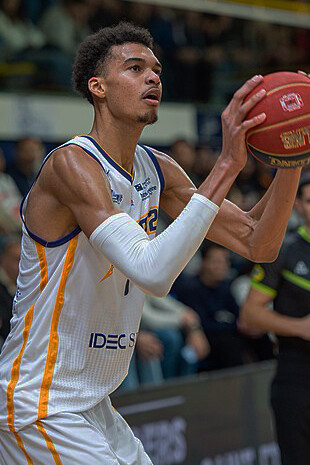
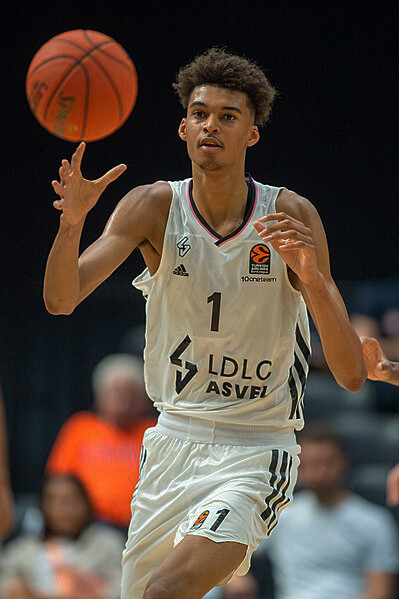
Caitlin Clarke’s record-breaking season, followed by a first-draft pick, resulted in a $338,056 salary over the next four years. This caused outrage, as the first draft pick in the NBA, Victor Wembanyama, received a $55 million contract. This huge pay gap shocked audiences and got criticism, with even the United States (U.S.) President Biden is commenting on the gender pay gap in sports. It shows that although Caitlin Clarke produced an extraordinary season, gaining more views than most male basketball players, her salary was not close to matching their contracts.
In general, women in the European Union (EU) earn around 12% less per hour than men, with up to 20% in the U.S. and Asia. In sports, these numbers are spiked, with women earning significantly less than the men in the same fields. Male athletes in big sports such as football, basketball, tennis, and baseball made between 15% to almost 100% more than their female colleagues. In comparison, Cristiano Ronaldo, the highest-paid male athlete in 2024, earned around 250 million euros, while Coco Gauff, the highest-paid female athlete, made around 30 million euros this year. In the ten highest-paid athletes list of 2024, there were no female athletes included. This exposes the huge pay gap between male and female athletes.
There are multiple reasons why male athletes have higher salaries. In general, male sports have bigger audiences and receive higher viewership for their games. More media coverage of men’s sports games is increasing exposure to male athletes. This results in more sponsorships for male teams, increasing the money spent on the sport.
Furthermore, men’s sports teams have traditionally had more investment, development, and coverage. Throughout history, female sports have been overlooked and ignored, receiving less funding, visibility, and media coverage. This still impacts female athletes today, where the traditional lack of investment has resulted in fewer opportunities and lower quality of facilities, training, and marketing. This further affects media coverage and viewership of women’s sports.
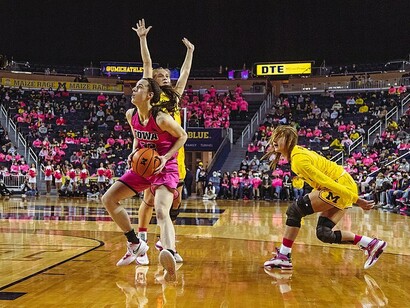
However, female sports have increased their views and audiences in the past years, raising questions about sponsorships and media coverage. In Europe and the U.S., women’s sports leagues saw record viewership in 2024, with an even split of men’s and women’s athletes at the Olympics. In addition, the 2023 NCAA tournament had almost 10 million viewers for the final, with English football teams selling out their stadiums and an increased interest in the women’s World Cup. This shows that the focus on women’s sports is increasing and that the media coverage could be improved to allow for more access to women’s games.
There are multiple strategies to address and reduce the gender pay gap between male and female athletes. Firstly, implementing policies that support gender equity in sports can be achieved by collaborating with organizations and teams to ensure equal pay. Hiring more women in leadership positions in big sports organizations can ensure that these standards are upheld while increasing the number of women in jobs where they are underrepresented. In addition, governments can pass legislation that forces equal pay for female athletes, especially for national teams where they represent their country.
As mentioned previously, media coverage and sponsorships should increase to ensure more visibility of the women’s game and support equal pay. Advertising their competitions and players can enhance fan engagement and, therefore, allow for more investment and deals for female athletes.
Furthermore, investment in the women’s game would allow for development and increased support, allowing female athletes to have more opportunities with their sport. This should occur from low levels and youth teams, as well as by improving facilities, training, and resources for girls. This can further increase the number of women going professional and increase fan engagement, bringing more money into women’s competitions.
This means that there are multiple ways to address the current gender pay gap in sports. This past year has shown interest and record views in women’s sports games while also exposing the unequal pay between male and female athletes. Particularly, media coverage and the resulting sponsorships could allow more women to be professional in their sports and receive equal pay. Teams and organizations should push for this to match the current focus on women’s competitions and bring more equity to the different sports.