English
 Español
 Français
 Deutsch
 Italiano
 Português
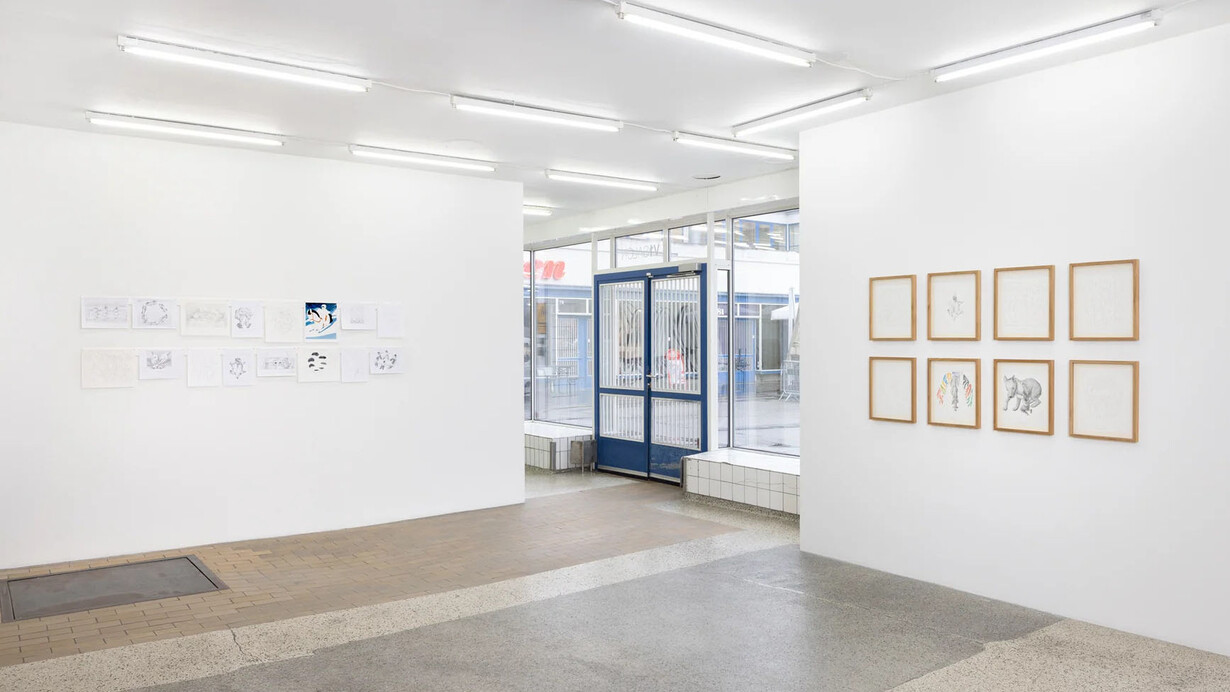
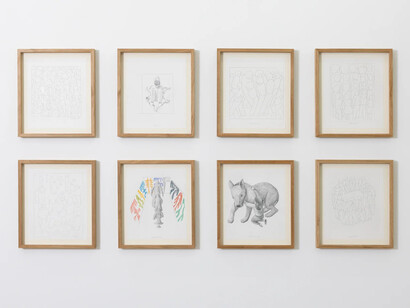
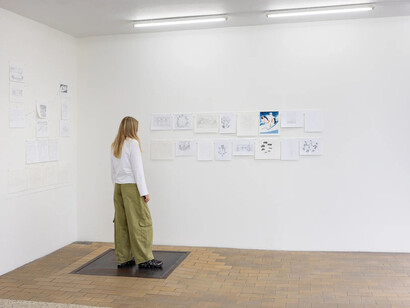
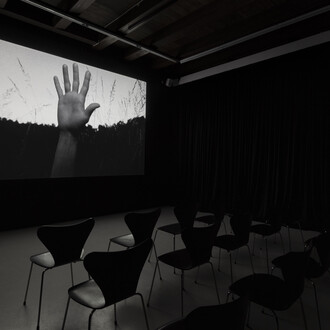
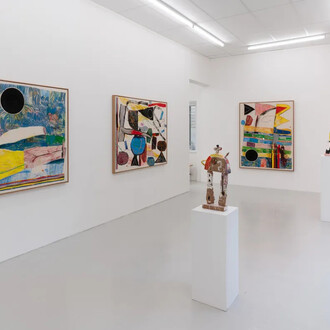
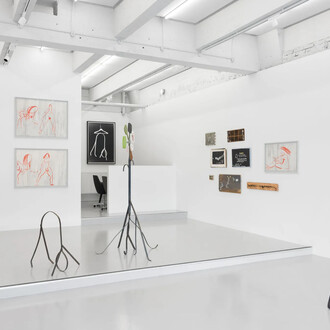
It was brought to my attention that this is my first drawing show. I feel like I never stop talking about drawing. There is a documentary on me called Drawing a life. Despite this, Training ritual for disappearing is the first time I have allowed drawing to stand alone.
At my first painting show with Half Gallery in New York (The Westest, 2008), a small cardboard box of my drawings sat on Bill Powers’ desk. They were the drawings I did to develop the show and so we called studies, presented as a step towards something, clues to an outcome. Showing them, and selling them, was a way to make my process more visible, and give it value.
I am a draw-er. Anything I make is an interpretation of a drawing. They are spare, visual notations of thoughts, ideas and confusions, often attempts to capture a state of mind or feeling. The best of them expresses a sort of wisdom that is not my own.
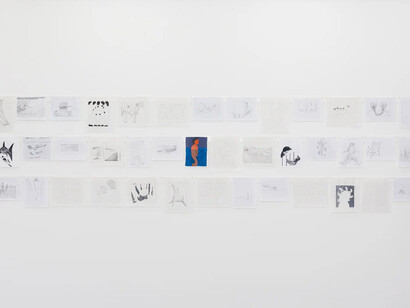
I draw fairly small, and quickly, generating variations of the same image, tracing or repeating things. Drawing is training. Repetition. Disappearing. In my studio, drawings exist in quantity. They stack up in piles. Piles of answers and questions but rarely answers to questions.
I am a painter and drawings are the only way I know how to find things to paint.
Many of the drawings that I focused this selection on are drawings that I never thought would lead anywhere. I started doing most of them a few years ago, before I had any clue how to paint them. These drawings are on bond paper and are often messy, shaded, sketchy and contain aspects of landscape. They stand as a sort-of anomaly in my process; drawings that would stay drawings.
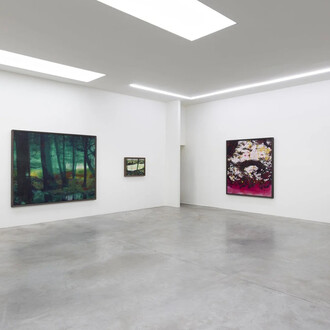
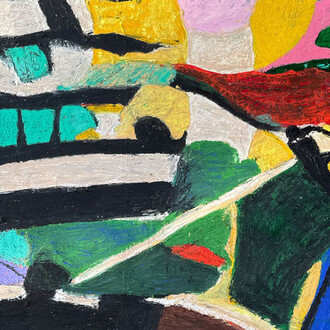
Despite this, I see now how this work led to a dramatic change in my painting. In order to capture the spirit of these sketches, I began to dismantle the structure of my studio practice entirely. I stopped working exclusively with acrylic and began to use oil paints. I rebuilt my entire process, based on the things I wanted to draw.
This is my first drawing show, and it is interesting to have it now as my art practice of nearly 20 years changes. Drawings are the start of everything, and these were the start of an expansion in my own understanding of what work I was capable of making.
(Text by Geoff McFetridge)