English
 Español
 Français
 Deutsch
 Italiano
 Português
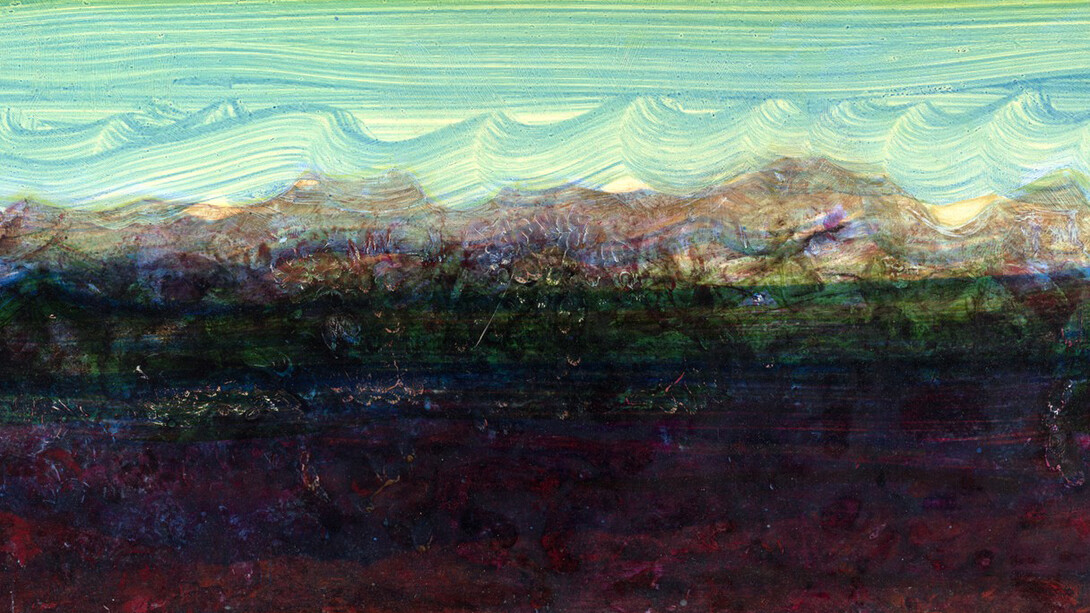
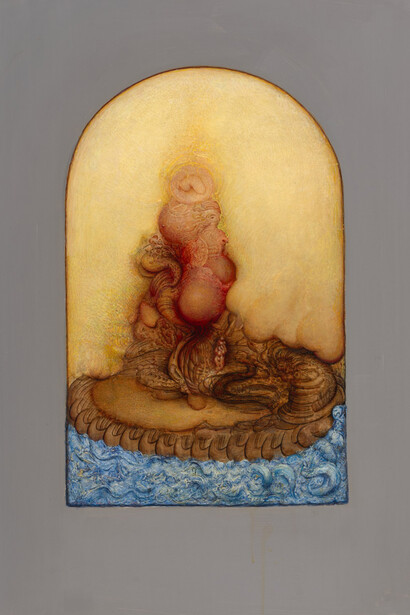
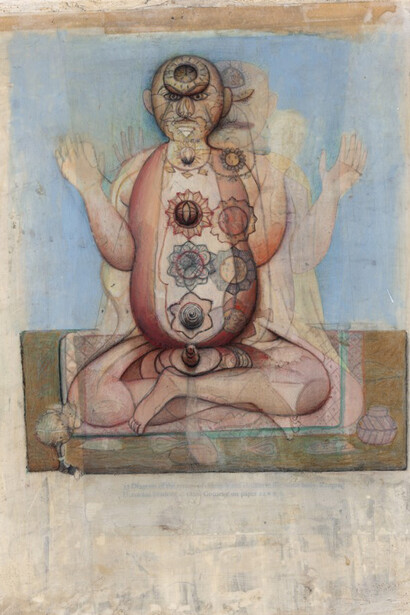
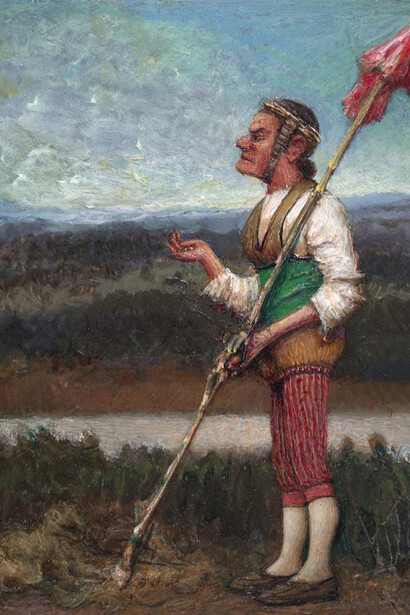
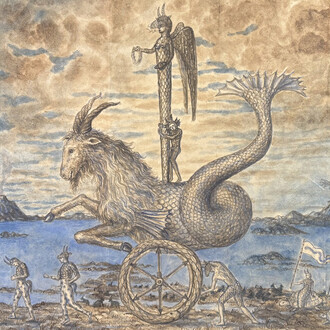
The Schoolhouse Gallery presents an exhibition dedicated to Gregory Gillespie (1936–2000), one of the most distinctive American figurative painters of the twentieth century. On view from September 25 to November 16, 2026, in Provincetown, Massachusetts, the exhibition celebrates an artist whose meticulously rendered paintings combine realism, surrealism, and psychological complexity. Through familiar subjects transformed by unusual details and unexpected juxtapositions, Gillespie developed a singular visual language that challenges conventional perceptions of reality.
Born in New Jersey, Gillespie studied at The Cooper Union in New York and the San Francisco Art Institute before moving to Italy in 1963, where he lived and worked for seven years. His time there profoundly influenced his practice, particularly through his engagement with classical Italian painting and traditional techniques. Combining painstaking brushwork with photographic fragments, collage, and layered materials, Gillespie created haunting compositions that often depict everyday settings, landscapes, interiors, and self-portraits. Beneath their precise surfaces, these works reveal enigmatic narratives and symbolic elements that blur the boundaries between observation and imagination.
Throughout his career, Gillespie explored themes of identity, spirituality, sexuality, and psychology, frequently returning to the self-portrait as a means of examining the complexities of human experience. His distinctive approach to painting, characterized by the continual reworking of surfaces and the emergence of unexpected forms, resulted in images that are at once familiar and unsettling. His work has been exhibited at major institutions, including the Hirshhorn Museum and Sculpture Garden, and is held in the permanent collections of the Metropolitan Museum of Art, the Whitney Museum of American Art, and the Museum of Fine Arts, Boston. Presented by The Schoolhouse Gallery, the exhibition offers an opportunity to revisit the compelling vision of an artist whose work continues to challenge and expand the possibilities of American realism.