English
 Español
 Français
 Deutsch
 Italiano
 Português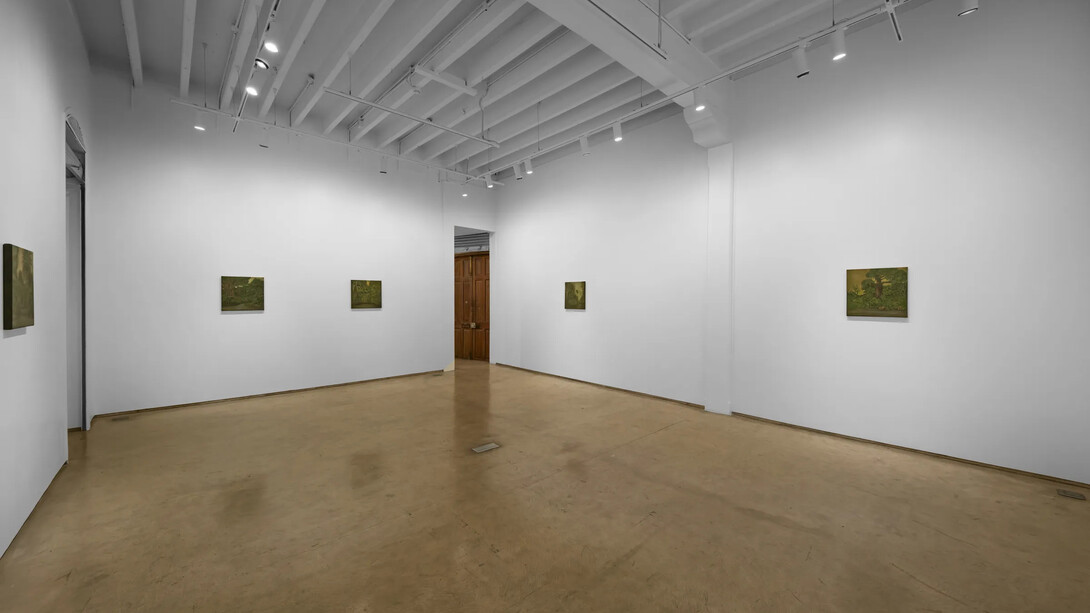
For over a decade now, Sahil Naik’s practice has studied and complicated images by negotiating with and/or recalibrating them. These investigative, sometimes forensic exercises seek the evidentiary and speculative potential of materials and their capacity to bear witness - “what may have occurred and under what circumstances”. Naik continues to approach and apprehend these images, re-staging them as scenographies. In producing intimate encounters and/or drawing our attention to the “background”, we see minor details and situational clues unfold. In this an unraveling of “history as we know it or as it were prescribed” instigated.
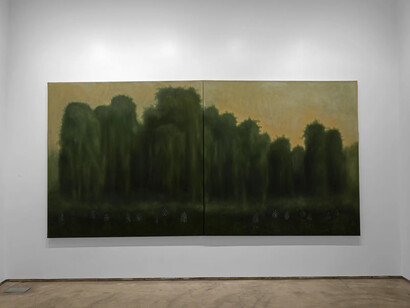
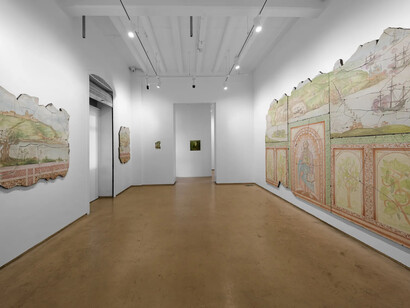
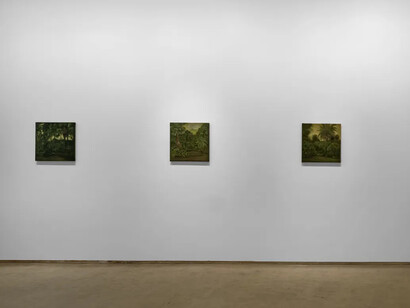
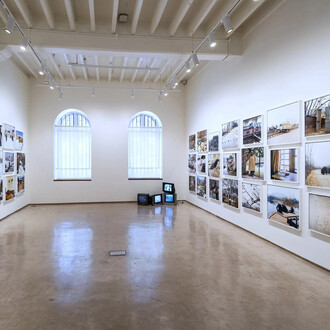
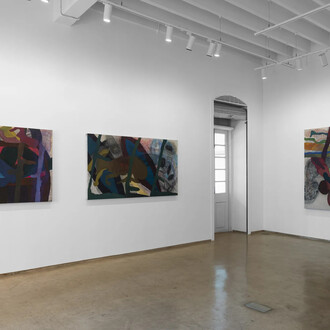
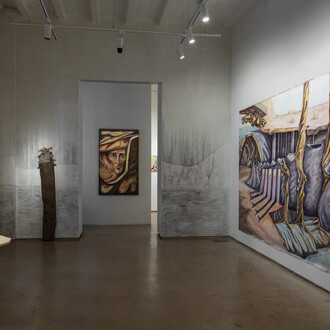
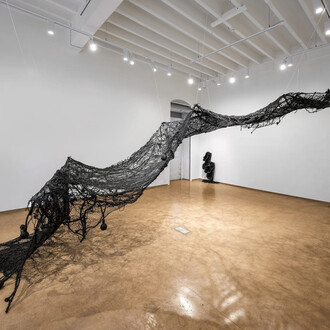
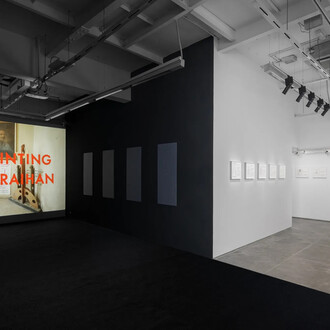
In Sour stars and breadfruit monsoons, Naik conceives a scenography of image-fragments, isolated from early-colonial landscape studies and murals adorning colonial architecture across Goa, Bombay and Daman - whilst drawing a larger conceptual, architectural and botanical relationship to sister colonies in South America, Africa and Asia. In interrogating these materials, he produces before-after and in-between land and ocean worlds.
The violent colonial cross-planting exercise heralded a tense and transformative relationship between landscapes - seed, plant, fruit and pest. We see this worlding occur across language and food. This contamination can be attributed to three epochs - the ships that intentionally and accidentally carried diseases; the transplantation between “royal” botanical gardens across the colonies and the world wars.
A peculiar condition to note here is that even though the plant migrated to a new context, the local language was yet to fully absorb it.
For example, the Nirphanas (Breadfruit) curiously translates to “Water jackfruit” and is prepared as a substitute to fish (for its fish-like texture) during breeding season (monsoons) in Goa. That its earliest image-reference is a 17th century drawing by Augustinian nuns in a baroque chapel depicting it as an offering to an ant-hill is telling of the many histories this exhibition lays claim to.
(Exhibition essay by Mario D’Souza)