English
 Español
 Français
 Deutsch
 Italiano
 Português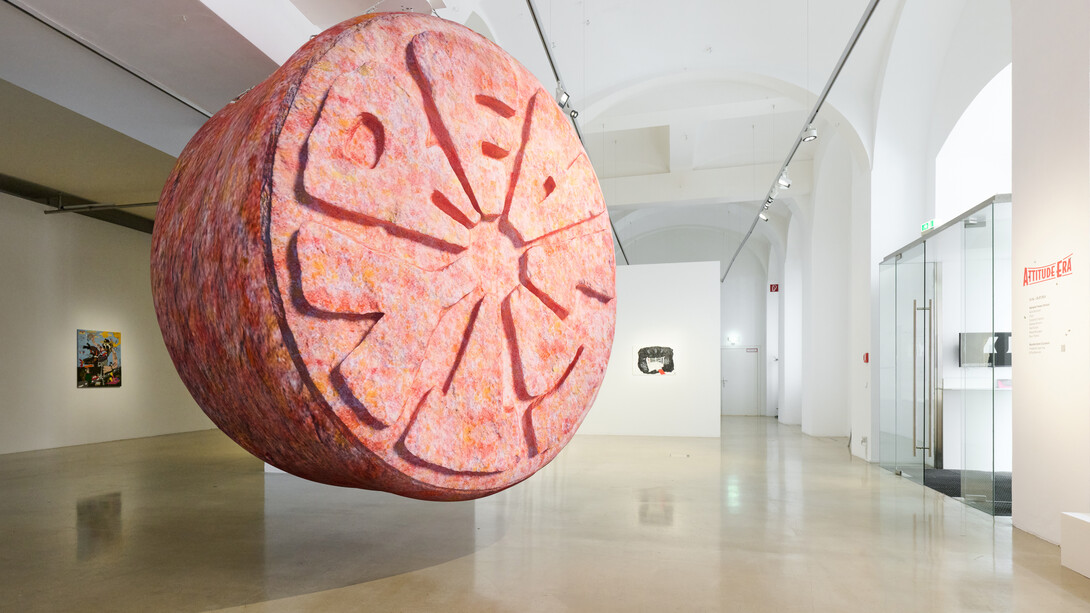
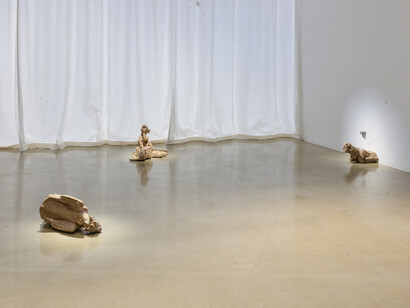
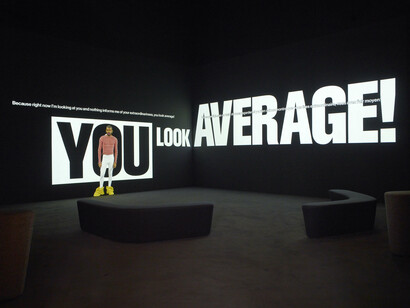
Fact or fake? In the group exhibition Attitude era, co‑curated by Frederike Sperling and Pia Wamsler, the Kunstraum descends into the lowlands of the post‑truth age.
As we know, algorithms have a rather flexible relationship with the truth. Whether a statement is true or false is irrelevant to them. What matters is what grabs users’ attention. So it is no coincidence that populism is thriving online. Algorithms push content that polarizes, triggers fears, questions facts, or tactically creates its own “alternative facts”– from fake news about migration to climate change denial. What counts is the effect. And that effect must be one thing above all else: engaging.
For a better understanding of this metamorphosis of communication into spectacle, it is worth taking a look at the world of professional wrestling. In her book Ringmaster (2023) about the notorious American wrestling tycoon Vince McMahon, journalist Abraham Josephine Riesman describes the show fight spectacle as a fabrication machine of synthetic realities. In wrestling, Riesman argues, the boundaries between reality and fiction are systematically blurred. The consequence: viewers learn to bend their minds to the twists and turns of the spectacle, accepting first one thing and then another as reality, regardless of logic or reason. Reality as a matter of mindset – a logic that also underlies the digital realities that flood our news feeds every day. As in wrestling, the rule goes: What you like is what’s true. Attitude is everything.
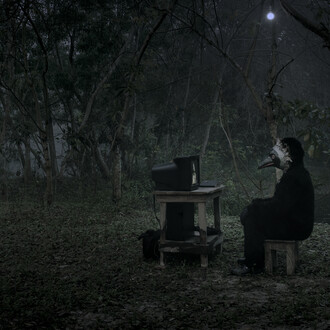
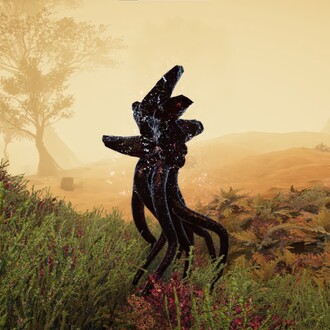
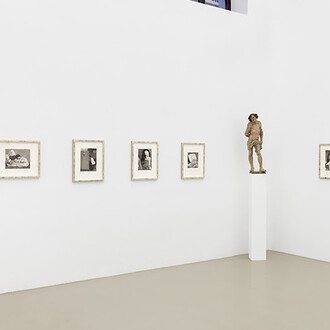
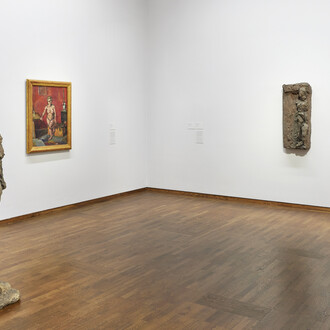
Politics and show fights, fact and fiction, manipulation and dissociation – the group exhibition Attitude era, co-curated by Frederike Sperling and Pia Wamsler, navigates precisely along these coordinates. Seven artistic positions explore the relationship between reality and fiction in the age of slopaganda, deepfakes and Trumpism.