English
 Español
 Français
 Deutsch
 Italiano
 Português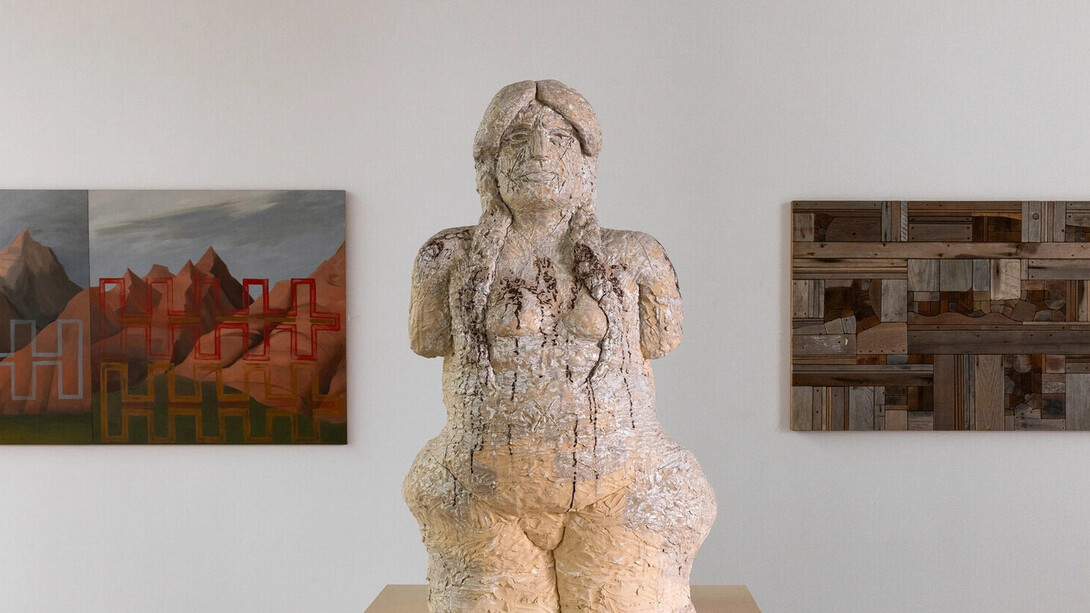
Headlining our 2026 programme is a major presentation of work by contemporary Indigenous American artists from Tia Collection.
Bringing together 65 works by 38 artists, including two significant new commissions, it is a landmark exhibition of contemporary Indigenous North American art on a scale never seen before in the UK.
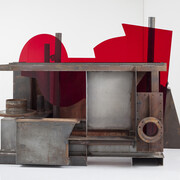
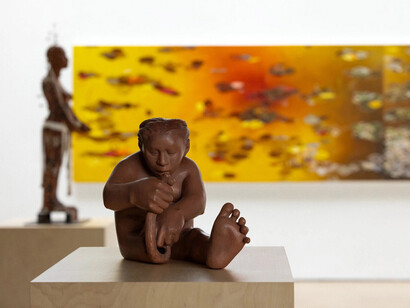
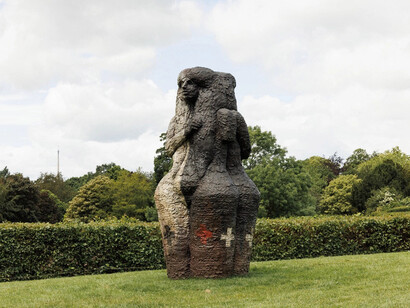
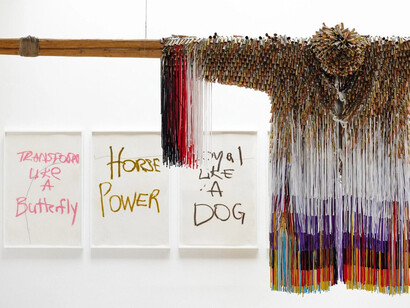
The first group exhibition staged in the prestigious Underground Gallery in its twenty-year history, Hold to this Earth features sculpture, film, photography, painting, ceramics and fibre art highlighting the broad spectrum of work being produced by Indigenous North American artists today.
Hold to this Earth features the work of DC Allen, Neal Ambrose-Smith, Teresa Baker, Raven Chacon, Melissa Cody, Yatika Starr Fields, Nicholas Galanin, Jeffrey Gibson, Raven Halfmoon, Bob Haozous, Sheldon Harvey, Hock E Aye Vi Edgar Heap of Birds, Allan Houser, Zig Jackson, Sayo’:kla Kindness-Williams, Brad Kahlhamer, Sonya Kelliher-Combs, Matthew Kirk, Cannupa Hanska Luger, Dakota Mace, George Morrison, Michael Namingha, Virgil Ortiz, Mikayla Patton, Jaune Quick-to-See Smith, Wendy Red Star, Eric-Paul Riege, Cara Romero, Diego Romero, Rose B. Simpson, Roxanne Swentzell, Tyrrell Tapaha, Maggie Thompson, Zoë Urness, Kay WalkingStick, Marie Watt, Dyani White Hawk, and Emmi Whitehorse.
Representing over 35 Tribal Nations and multiple generations, the exhibition highlights both established voices and emerging artists who are shaping contemporary art today. They reference and honour ancestral knowledge whilst being steadfastly contemporary, asserting a powerful presence and countering narratives of erasure that too often position Indigenous cultures only in terms of the past. Materials such as clay, hide, wool, beads and natural pigments become carriers of powerful stories, memory and tradition, rooted in connection to the earth. Newer modes of expression and understanding growing out of digital culture also speak to the shifting landscapes of Indigenous life in the 21st century.
The unifying theme connecting their diverse practices is the deep, complex and enduring relationship between people and land. Set within 500-acres of historic parkland shaped by centuries of human and non-human activity, YSP is well placed to hold conversations about land, material, memory and community.