English
 Español
 Français
 Deutsch
 Italiano
 Português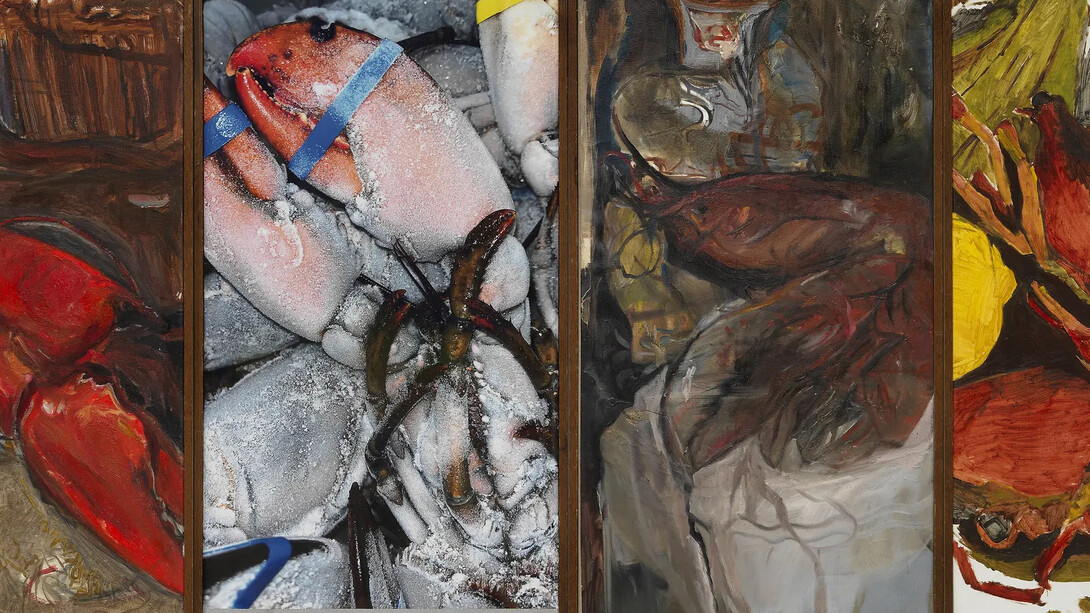
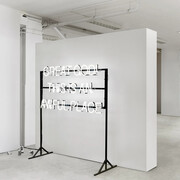
Lobster and shrimp on my plate, I need my pockets so fat they inflate is a collaborative project by artists Robin Phoenix Whitehouse (UK) and Todor Rabadzhiyski (BG) that started in 2021 and delves into the culture and changing economy associated with lobsters.
In the fourth showcase (Vol. 4: Back of the Kitchen) of their ongoing project the artists look specifically at the moment the lobster enters the restaurant kitchen, tracing the transformation of a sea creature into a symbol of status and celebration. Thereto they have transformed the Frontspace of the gallery into the back of a kitchen, framed from the artists' own roles during spells of time working at Bistro-mer, a renowned seafood restaurant in The Hague.
In the kitchen, the lobster loses all dignity; there, the lobster is not a symbol, but a product. It is chilled, moved, prepared. These actions are repetitive and often invisible. They form the basis of a system in which the end product takes centre stage. Of course, before the lobster becomes a status symbol, it must first be killed. The artists don’t shy away from this reality, nor do they sensationalise it. The violence is simply part of the system, one that’s mirrored in the art world, where ideas are dissected, repurposed, and served up as something else entirely.
The artists’ choice of materials follows the same logic. Each material carries its own history and its own value system. Porcelain refers to tradition and fragility, aluminium to industry and reproducibility and marble to durability and canonization. By for example realising the same mold of a single lobster in different materials, it becomes visible how value shifts. And how quickly something is suddenly called “timeless.” It is not an aesthetic choice, but an analytical one. What changes when an object changes material? What remains the same? And how does that relate to the way we look at art?
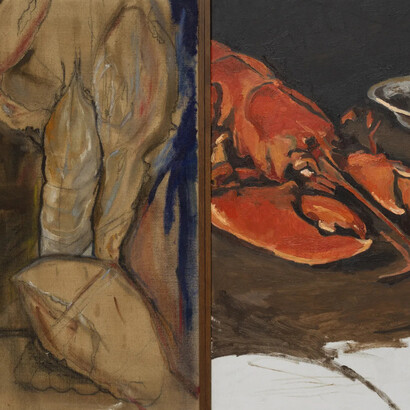
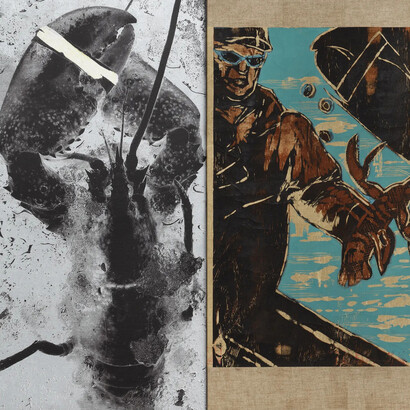
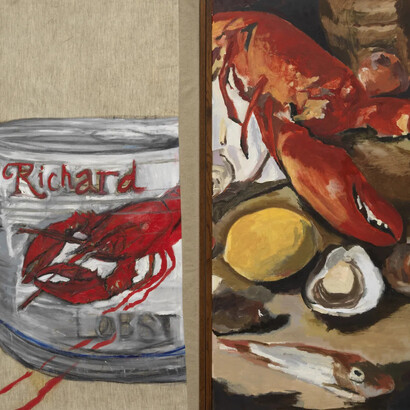
Much like how, in a restaurant, different hands work on one and the same dish the paintings in the exhibition are composed of elements created separately by the artists. The drawings on the lids of empty oyster boxes, were created during restaurant working hours and contain personal notes on the reverse side, often remarking on the long hours and labour involved.