English
 Español
 Français
 Deutsch
 Italiano
 Português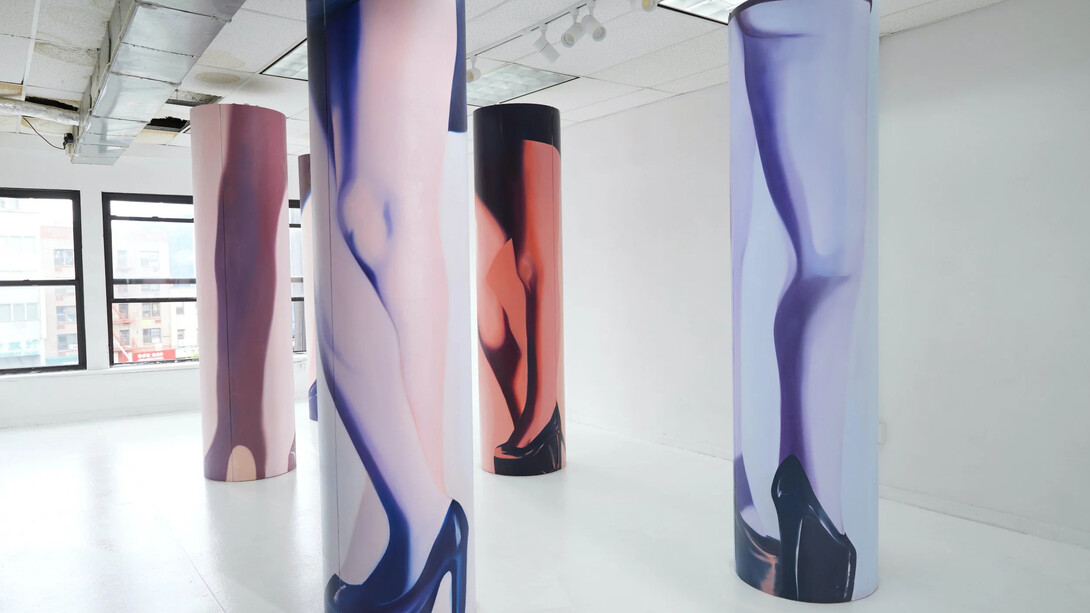
I still don’t know why humans dance. Kant says that beauty, like human life itself, is inherently purposeless—it doesn’t exist to carry out a goal, but simply to be. Beauty will have no purpose, but still have “purposive” or indirect effects in the world, such as the pleasure we get from it. Is that why humans dance, then? Dance is the human body’s most purposeless activity, which is what raving is at its core: its aggressively non-productive mode, its expenditure of excess. The opposite of labor. Raving preceded capitalism. Dating back to the shamanic rituals during the Upper Paleolithic transition, when homo sapiens would take mind-altering substances, dance for hours, engage in sleep deprivation. Raving has always been inextricable to what distinguishes humans from animals and machines.
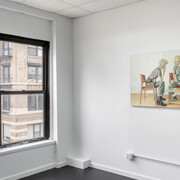
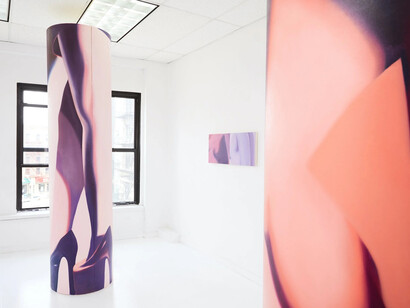
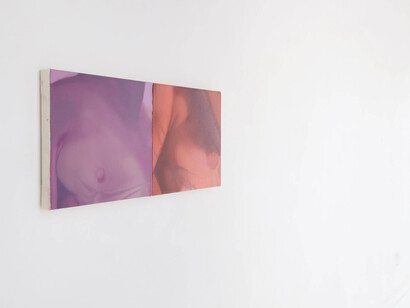
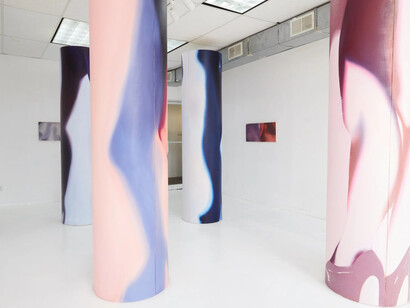
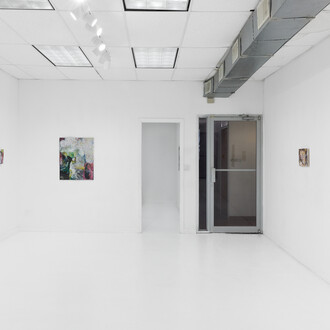
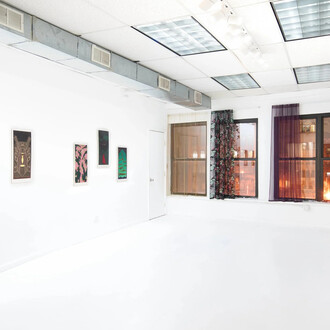
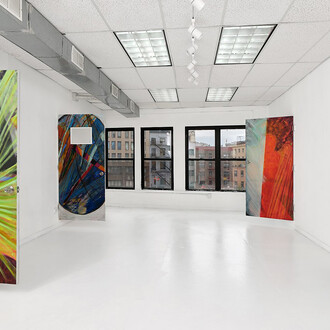
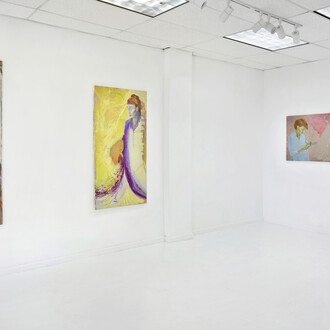
Italo-Bosnian artist Adelisa Selimbašić found each of the models for her paintings by watching them dance. She might be at Basement or Nowadays, spotting them across the fog machine at five or eight on a Sunday morning. Sexual attraction has something to do with it, but that isn’t the whole story. Like, I don’t really buy the evolutionary biological explanation that people dance as a mating ritual. In Freud’s early drafts for Three essays on the theory of sexuality, we can see him sketching out an idea of “infantile sexuality,” before a child learns anything about procreation. Infant sexuality isn’t organized according to genitals or gender, but distributed across the skin’s surface and fixated on specific body parts. This suggests that human sexuality arrives as queer and fetishistic before it does evolutionarily or biologically. It is like how Kant describes how humans look at flowers: we may or may not know that its petals and stamen are for pollination, but that has nothing to do with why we find it beautiful. Which is to say there’s something queer about the perception of beauty: perverse without purpose.
To dance at the rave is to be free from labor, free from identity, to be but beautiful: useless. The rave site is a temporary autonomous pleasure zone, often happening at strange hours, or in appropriated warehouse spaces, legal only occasionally. The body is gratified at all five senses, made whole again. Unbound by utility, the dancing body is, absolutely, anything you want it to be.
(Text by Geoffrey Mak, April 2026)