English
 Español
 Français
 Deutsch
 Italiano
 Português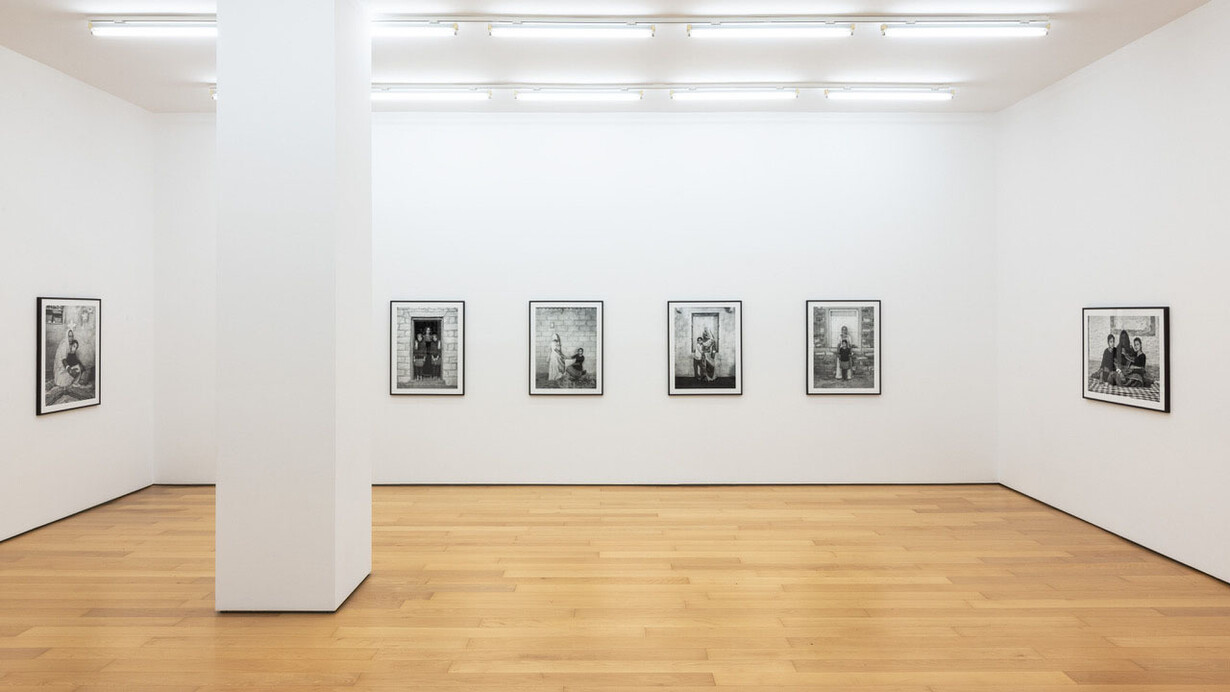
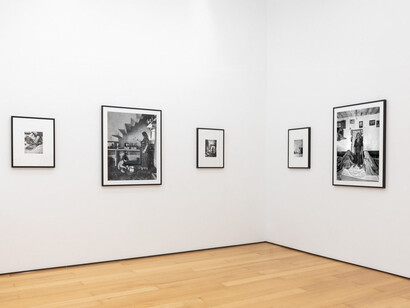
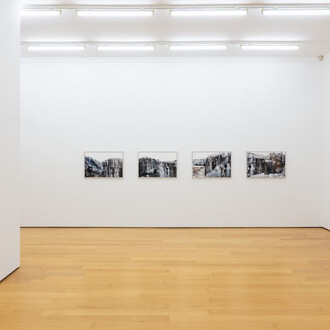
Eleni Koroneou Gallery is pleased to present the recent work of artist and photographer Lina Bertucci, titled Mother, daughter, desert moon.
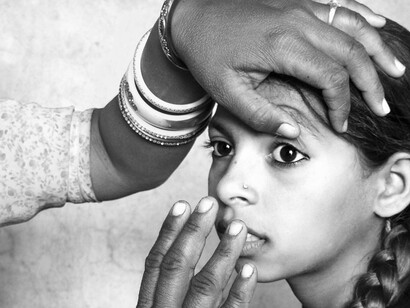
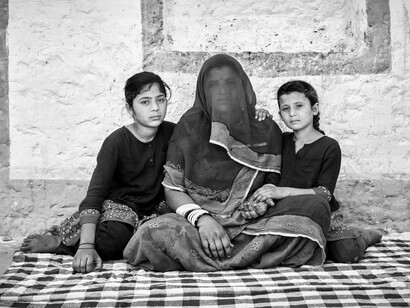
Mother, daughter, desert moon centers on the bond between mothers and daughters—intimate, historical, inherently political, and deeply visual. Embedded in culture yet radical in its potential, this work shows that tradition is never fixed; it evolves. As girls gain access to education, new forms of agency begin to reshape expectations within families and communities.
In Rajasthan’s Thar desert, where centuries-old patriarchal norms shape daily life, these relationships reveal how women negotiate identity, resilience, and the possibility of transformation. Intertwining portraiture with ethnographic sensitivity, Bertucci uses the camera to deeply witness this evolution. Mother, daughter, desert moon traces a dialogue between daughters’ emerging futures and their mothers’ enduring traditions—an act of witnessing that seeks not to define, but to understand.
Informed by feminist and postcolonial thought, Bertucci engages thinkers such as Gayatri Chakravorty Spivak, attentive to how marginalized voices are heard—or silenced. She also echoes the words of Arundhati Roy, who reminds us, “Another world is not only possible; she is on her way.” This project listens for that world in the voices of mothers and daughters who, in small but profound ways, are already shaping it.
Visually, the project aligns with practices that resist spectacle, recalling the work of Walker Evans and Dayanita Singh—artists whose commitment to clarity and the dignity of everyday life shaped a way of seeing both factual and transcendent.
Begun nearly fifteen years ago through Bertucci’s involvement with CITTA1 and the genesis of a vision to build a girls’ school in this remote region of Rajasthan—the Rajkumari Ratnavati Girls School—the project bears witness to education as both a practical tool and a catalyst for cultural continuity and change. Through her lens, Bertucci illuminates the bond between mothers and daughters as inheritance, agency, and a site of ongoing transformation, positioning photography as an ethical, relational, and attentive practice. This work invites reflection on what we inherit, what we resist, and what we carry forward—perhaps, in witnessing these mothers and daughters, we are also glimpsing ourselves within the legacies of our own mothers.
Notes
1 CITTA: a nonprofit organization empowering remote communities through health, education, and economic growth—preserving culture and creating opportunities.