English
 Español
 Français
 Deutsch
 Italiano
 Português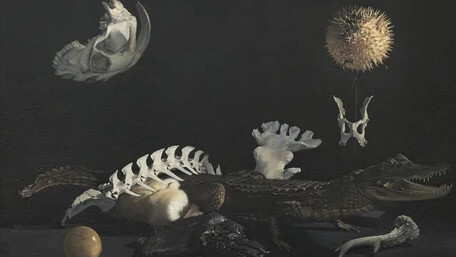
After exploring the flows and lights of the nocturnal city in his emblematic series of escalators and urban landscapes, Gregory Derenne now opens a new chapter in his work with his first solo exhibition at Backslash, shifting his approach toward a more interior and meditative mode of painting. Through an unprecedented group of still lifes, the painter redirects his gaze from architectural flux to more confined, silent spaces, where light, matter, and time seem suspended.
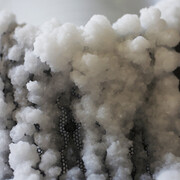
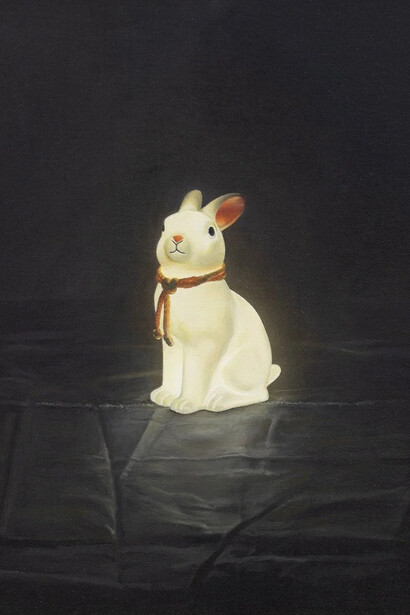
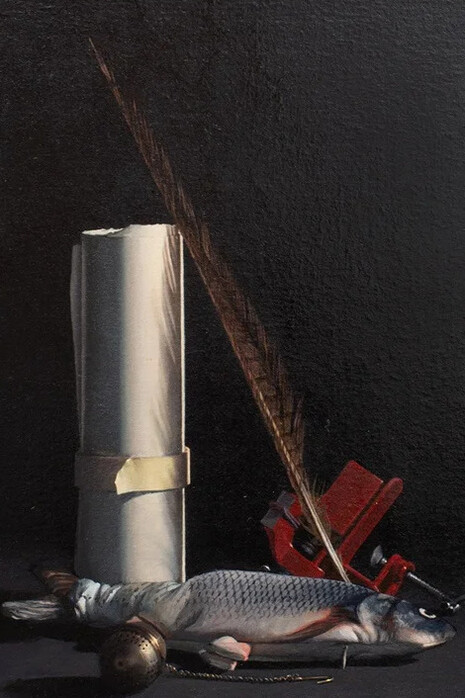
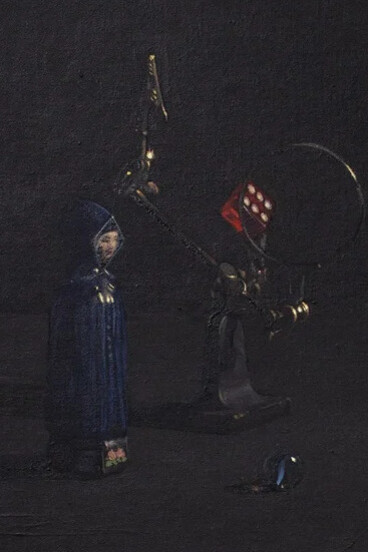
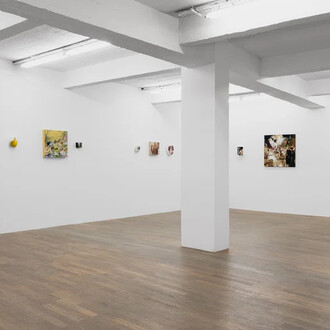
Initiated in 2020, this new body of work is rooted in a patient and intuitive practice of still life painting. Derenne does not assemble objects for pictorial purposes; he paints those that present themselves to him by chance or through use. While his compositions engage with a centuries-old tradition, they offer a distinctly contemporary reactivation, particularly through the nature of the objects depicted, and are freed from any direct reference to a specific old master. Nourished by a vast repertoire of images and memories of works encountered in museums, the artist nonetheless avoids explicit quotation, preferring to construct a personal visual language. This series represents the culmination of his long-standing inquiry into the pictorial treatment of still life, following many years of reflection and experimentation around this genre.
Each work is set within a frame that asserts itself as a constitutive element, inseparable from the painting itself. Sourced from flea markets and then reworked by the artist, these frames do more than simply surround the image. Derenne selects them as one might gather fragments of time, extending the artwork beyond its painted surface.
Conceived as a subtle continuity rather than a rupture with his previous series, the exhibition retains the same precision of framing and the same attentiveness to variations of light, now applied to intimate, almost meditative subjects. The objects become witnesses to a human presence held in abeyance, inviting the viewer toward a slower, more inward form of contemplation. Still life is not merely an arrangement of inanimate objects; it becomes a mirror of our own lives. Each fruit, each vase, each object carries the weight of time and memory. Within these silent compositions, the passage of hours can be sensed through light, texture, and materiality.
![Mary Cassatt, Fillette dans un fauteuil bleu [Enfant dans le salon bleu] (detail), 1878. Courtesy of Musée d’Orsay](/attachments/3ddcf3630b2e6b21d055a8488350d949784be8fa/store/fill/330/330/9b97dc5b17cad42577b6453f0968e961b1231ceb2b8b5ceb2c09057b2695/Mary-Cassatt-Fillette-dans-un-fauteuil-bleu-Enfant-dans-le-salon-bleu-detail-1878-Courtesy-of.jpg)