English
 Español
 Français
 Deutsch
 Italiano
 Português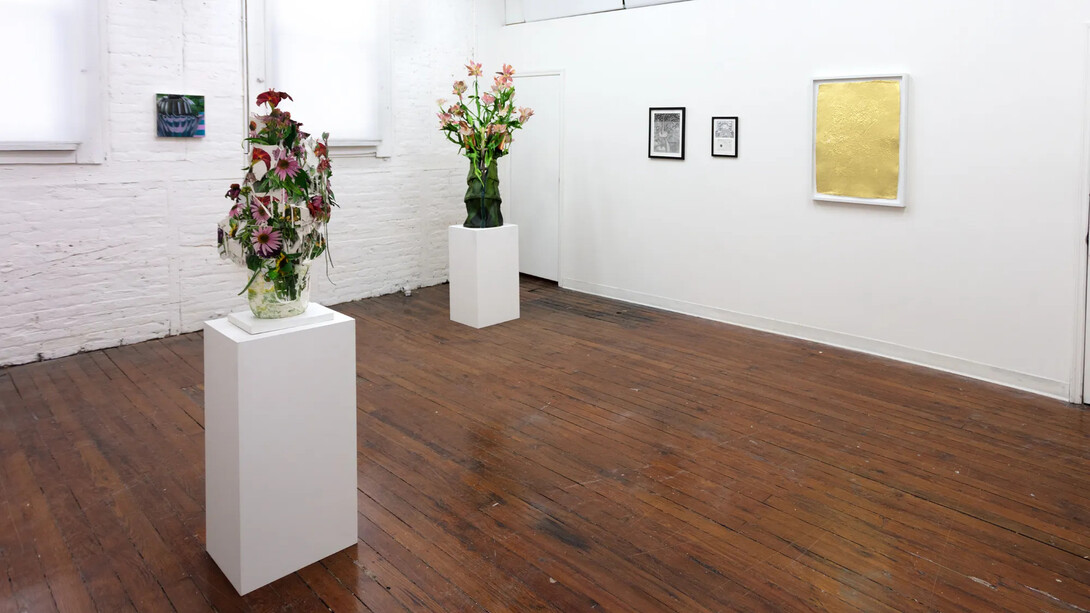
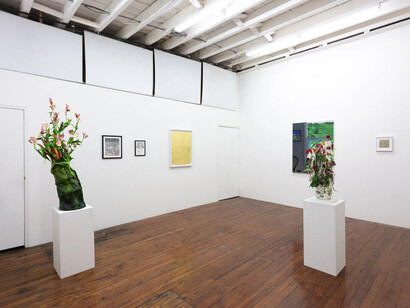
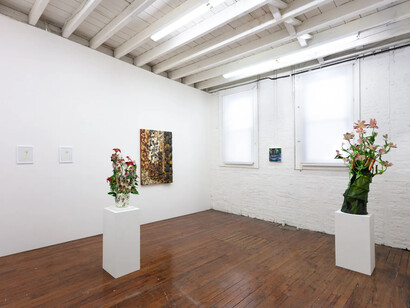
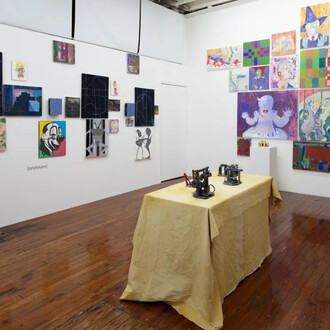
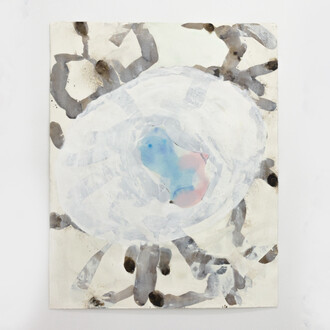
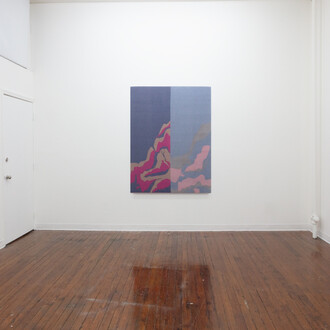
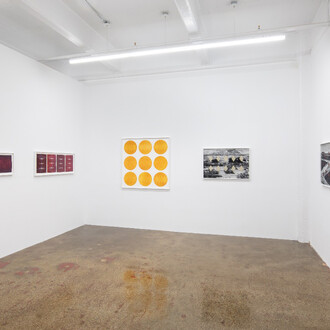
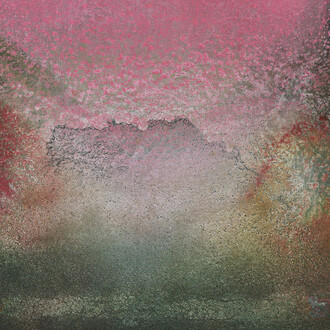
Halsey McKay is pleased to present V-effekt. The artists in this exhibition both conceal and reveal labor to varying degrees across diverse approaches to making. Mundane domestic objects and ephemera are depicted, constructed, and suggested. Paint, gel pens, graphite, and inkjet transfers create, distort, and belie images. Illusions are tenderly formed, yet repeatedly interrupted, fragmented, and obscured.
Bertolt Brecht’s concept of Verfremdungseffekt—often translated as the “alienation effect” or “distancing effect”—asks audiences to question the seductive and immersive qualities of theatrical performance, rejecting these popularized Aristotelian conventions. By exposing the mechanics of the stage or employing formal interventions that reveal theatrical artifice, Brecht sought to encourage objective reflection on one’s role as an observer, inhibiting emphatic identification with characters or narrative. Ultimately, he believed this distancing could open a pathway toward liberation grounded in a critical analysis of social and economic structures.
David Kennedy Cutler frequently draws from everyday subject matter, transposing images of his own surroundings and belongings into hybrid photographic-painterly works and sculptural forms. Much as Brecht used scrims to disrupt illusion rather than enhance it, Cutler interrupts and occludes his imagery through collage and negative space. The boundaries between painted mark, inkjet transfer, and open air are continually blurred, as these contradictory modes of representation form a kind of visual dialectic through their frenetic recombination.
Gina Beavers’ recent body of work, which she refers to as Comfortcore paintings, includes Composition in tortoise shell (Watch bands, coasters, nightstand tray, bowl)—a camouflaged, claustrophobic accumulation of accessories and accouterments. Brushing up against Pictures Generation strategies, Beavers grapples with contemporary advertising imagery and its seductive—or at times comforting—role within consumer culture.
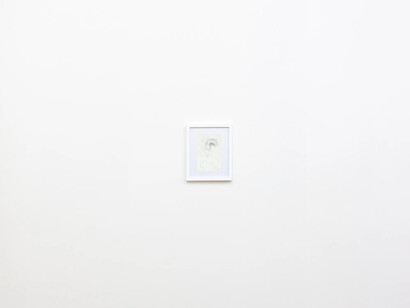
Kyung-Me is known for her austere, labor-intensive ink drawings depicting sleek, modernist interior spaces. In a departure from her typical practice, these rapidly-made sunflower drawings are drawn from an in-progress animation project. Extracted from their moving-image context, these stills present what would otherwise appear only fleetingly as a fixed viewing experience, laying bare the mechanics of an illusory device.
Both Davis Arney and Erika Shiba construct fictional spaces within their respective mediums of oil paint and graphite. While Shiba’s playful yet highly controlled, dreamlike environments sit comfortably within the lineage of surrealism, Arney’s shifting painterly languages and uncanny material descriptions allow his paintings to teeter between the familiar and the strange, slipping just outside the bounds of realism.
Butt Johnson’s Untitled (Integrated circuit) employs his signature process of densely interwoven ballpoint pen and gel ink lines to generate emergent patterns. Drawing on historical engraving techniques, this labor-intensive method produces a confounding and beguiling image that resists immediate legibility.
Recalling the tradition of Dutch floral still-life painting, Stacy Lynn Waddell invites viewers to contemplate illusion and value through the seemingly benign subject of an exotic bouquet in Untitled (Floral relief 1640). Delicate gold leaf is carefully burnished over a subtle relief drawing executed in acrylic medium; the image reveals itself fully only through a shifting viewpoint.
In a world increasingly adept at capturing and redirecting our attention, the ability to look beyond surface-level messaging—whether in advertising, politics, or media—has become essential to retaining the human experience. The artists in this exhibition are acutely attuned to the dynamics of attention: how it is shaped, sustained, and disrupted. Through their practices, they not only exercise deliberate control over attention in the studio, but also invite viewers to become conscious of their own modes of seeing—both within the act of encountering an artwork and in the ways we observe and move through the world at large.