English
 Español
 Français
 Deutsch
 Italiano
 Português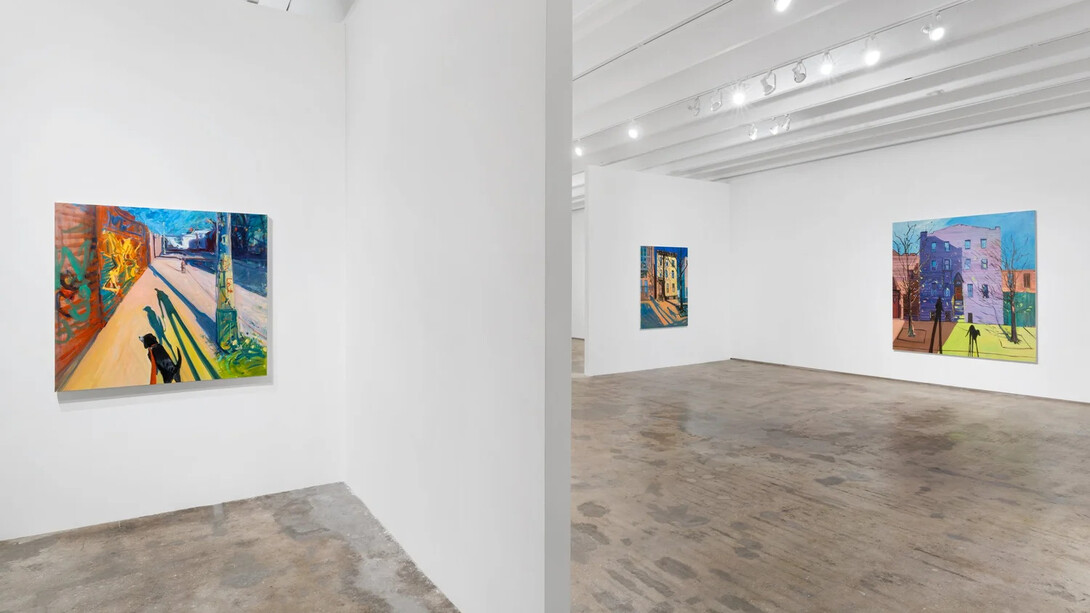
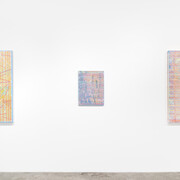
Fredric Snitzer Gallery is pleased to present Inside out, a solo exhibition by Brooklyn-based artist Deborah Brown. Brown’s debut at the gallery brings together works from several ongoing series—shadow paintings, still lifes, street vendors, and runaways—created over the past several years. Drawing from domestic interiors, streetscapes, and imagined landscapes of escape, Brown transforms observation and memory into vivid painterly narratives that blur the boundaries between the internal and external worlds.
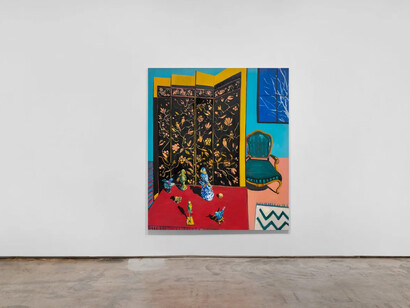
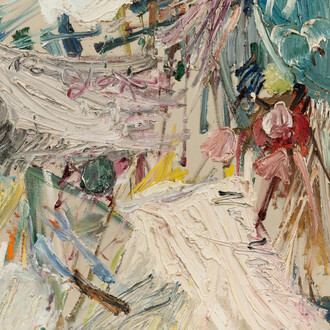
The still life paintings reflect Brown’s intimate domestic environment and the objects that populate it—treasured mementos and heirlooms accumulated over many years. Japanese embroidered silk screens, Danish ceramic “face vases” by Bjørn Wiinblad, and Mexican woven Saltillo textiles nod to her childhood in Los Angeles, where Latino culture shaped her earliest visual experiences. Animated through expressive brushwork and radiant fields of color, these personal objects become symbolic portraits of the artist’s sensibility. Echoes of Henri Matisse, Lovis Corinth, and Gabrielle Münter appear in Brown’s dynamic compositions, which privilege emotion over strict representation.
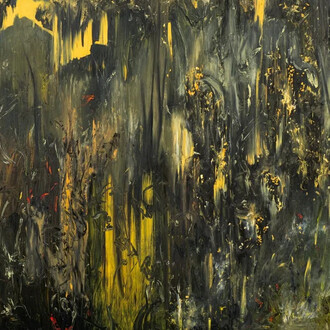
The landscape paintings in Inside out emerge from daily walks Brown took with her dog through East Williamsburg during the pandemic. Industrial warehouses, graffiti-covered facades, and shifting sidewalk shadows become psychological terrains where observation and introspection converge. A recurring shadow figure tethered to her canine companion becomes the artist’s stand-in—an anonymous flâneur navigating the city’s visual tumult. Through this motif, Brown connects with a lineage of 19th-century urban wanderers while reimagining the cityscape as a site of contemporary solitude and resilience.
In the street vendor series, Brown turns to the micro-communities that animate New York City—Bushwick bodegas, Chinatown markets, and sidewalk stalls. With gestural brushwork and bold contrasts of light and color, she captures the rhythm of urban life and the fleeting encounters that shape it. These portraits of collective presence affirm Brown’s deep reverence for the city’s cultural dynamism.
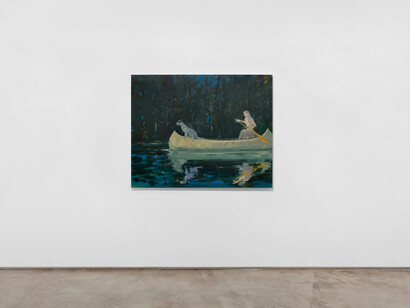
The runaway paintings shift into a more mythic register. A nude female protagonist—often accompanied by a protective dog—occupies settings of wilderness and open water. Drawing from the traditions of Winslow Homer, Frederic Remington, and the Western canon of the female nude, Brown reimagines these narratives from a feminist perspective. Her protagonist, liberated from convention, emerges as a self-possessed wanderer who rewrites stories historically authored by men.
Across all bodies of work, Brown’s expressive palette and vigorous brushwork animate the painted surface, transforming familiar objects and places into vessels for emotion and imagination. In Inside out, painting becomes both mirror and portal—revealing not only the world as it appears, but the world as it is felt.