English
 Español
 Français
 Deutsch
 Italiano
 Português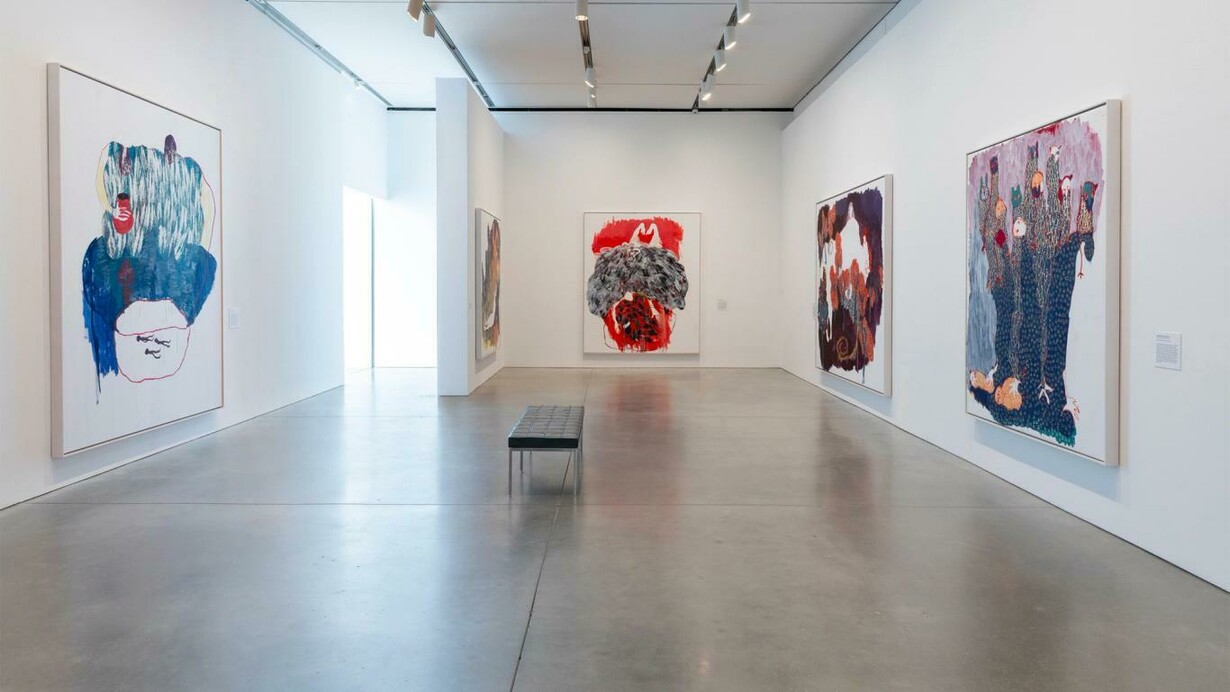
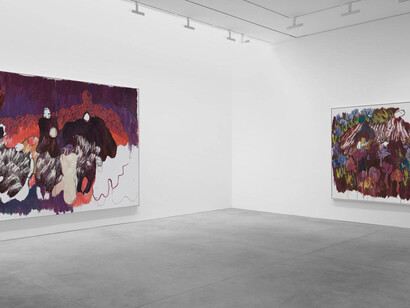
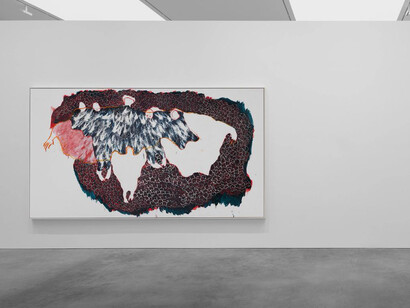
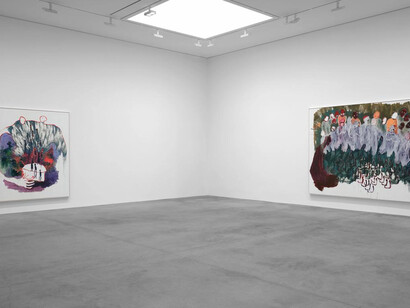
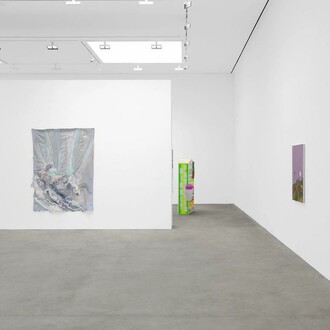
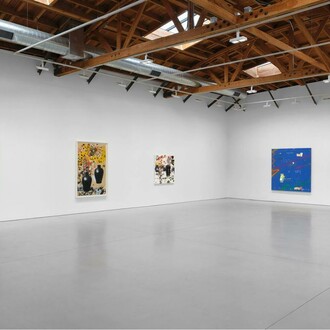
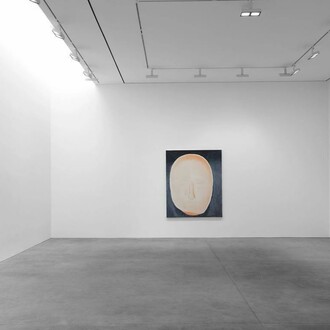
David Zwirner is pleased to present Zvibereko zvemweya wangu, its third solo exhibition with the Zimbabwean artist Portia Zvavahera. Taking place at the gallery’s 606 N Western Avenue location in Los Angeles, this presentation features a series of new works that continues to develop Zvavahera’s experiments with different painting processes and subject matter by joining her carefully charted dream worlds with her lived experience and daily rituals. Zvavahera expands her practice with familiar motifs and narratives; her works are populated by symbolic creatures that become powerful conduits for the interpretation of spiritual visions and the contemplation of our earthly existence.
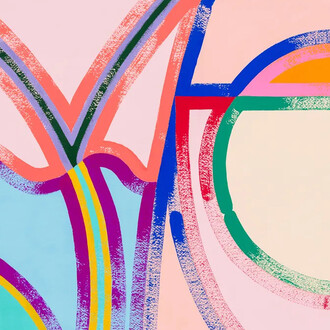
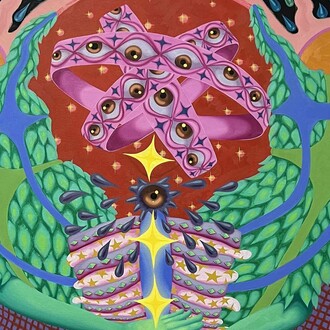
In her paintings, Zvavahera gives form to emotions beyond the domains of everyday life and thought. Her vivid imagery is rooted in the cornerstones of our earthly existence—life and death, pain and pleasure, isolation and connection, and love and loss. These deeply personal visions are realized through layers of vibrant color and ornate, veil-like patterns that the artist builds up into palimpsestic surfaces through a combination of expressive brushwork and elaborate printmaking techniques. Zvavahera’s compositions draw on particular traditions of figuration in past and present Zimbabwe, first expressed in the work of Thomas Mukarobgwa in the 1960s, while also pointing to postwar artistic practices that probe the nature of the human condition.
Zvavahera’s latest exhibition powerfully continues this exploration of the human condition. Themes of love, loss, fear, family, and protection recur throughout this new series of paintings, mirroring her broader practice. The show title Zvibereko zvemweya wangu loosely translates from Shona as the “fruits of my soul,” aptly describing the intense creative output behind these works. These monumental paintings are among her most energetic to date, deeply inspired by her love for family and, particularly, the passing of her late grandmother. Here, Zvavahera resumes her study of dreamscapes, delving into subject matter that women, especially mothers, have experienced across time. She strips away the protective veneer of modern society, exposing core emotions that relate to the profundity of life and death. Incorporating new motifs like vessels, trees, water lilies, and snakes, Zvavahera’s paintings guide viewers on journeys, telling abstracted stories about the strength within the maternal and matriarchal world, where reality and imagination merge.
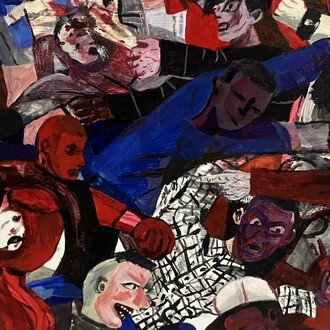
Shona is the artist’s native language, which she speaks at home; titles in Shona are provided with a translation only when Zvavahera feels that the English words suffice. Experimenting with batik and block printing, oil sticks, and acrylic paints, Zvavahera's canvases are applied with layers, and then, like dreams, unfold into camouflaged compositions rich in symbolism and psychological depth. Within Zvibereko zvemweya wangu, Zvavahera portrays small figures, children unbound by the canvas and surrounded by protecting arms and feathered veils painted with leaves, using a traditional wax-resist batik method, in works such as Kubuditswa muhari (2025). Others like Kubudiswa (redeemed) (2025) show a series of bowing figures—a community seemingly praying as a form of collective strength, demonstrating their power in numbers.