English
 Español
 Français
 Deutsch
 Italiano
 Português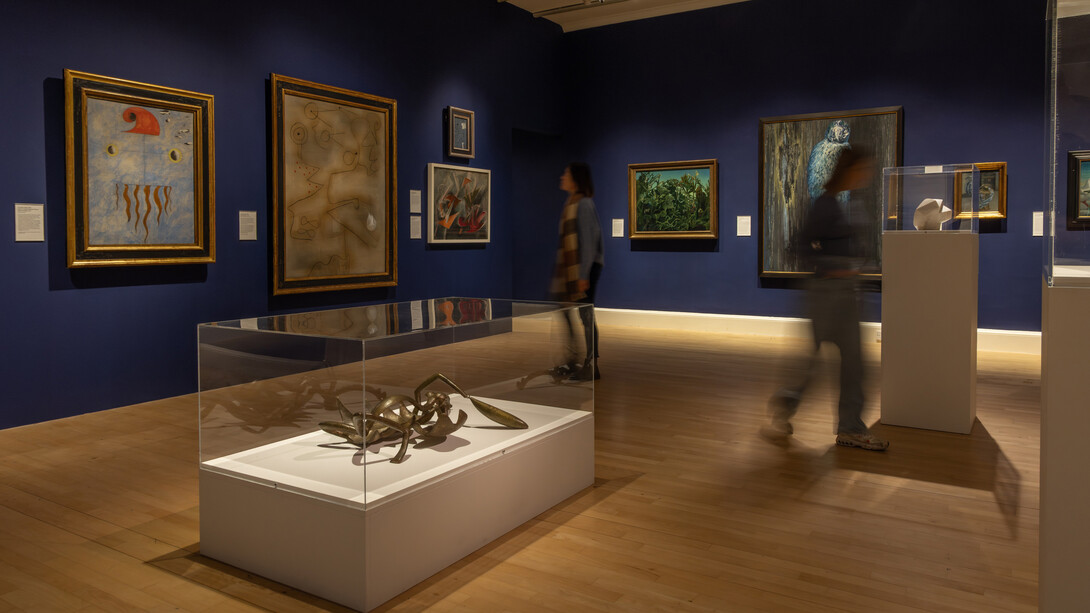
Scotland’s world class collection of surrealist art is back home in Modern One and free to visit from 17 December 2025. Embrace the strange and explore one of the most important and comprehensive holdings of surrealist art in the world, all belonging to the people of Scotland!
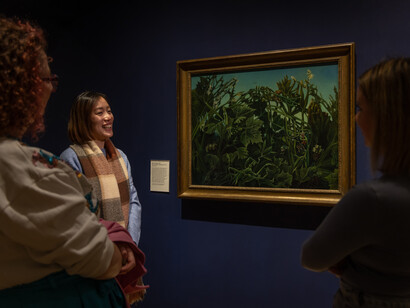
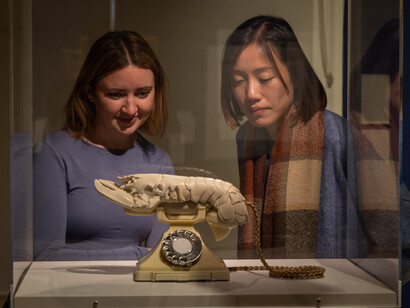
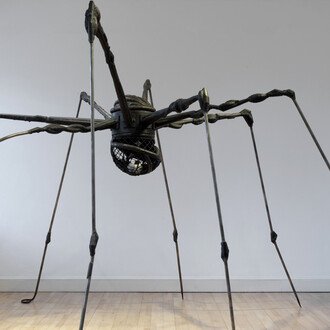
Encounter art by leading figures such as Salvador Dalí, Dorothea Tanning, Max Ernst, René Magritte and Toyen. Step inside the minds behind one of the most radical and influential artistic and literary movements of the 20th century. With over 40 works on display over two rooms, find bizarre creatures and weird machines, eerie landscapes and curious spaces. These uncanny compositions juxtapose the familiar with the peculiar, challenging reality and exploring the potential of the mind.
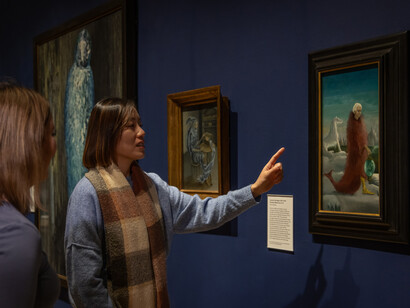
For the first time ever, visitors will be able to discover two works by Remedios Varo and Leonora Carrington in the same space since the works were acquired Encounter (Encuentro) (1959) by Varo and Portrait of Max Ernst by Carrington. Varo and Carrington were amongst many creatives and intellectuals who fled Europe during the Second World War. Both artists eventually settled in Mexico City, where they became friends and collaborators. They profoundly influenced each other's work and remained close until Varo passed away suddenly in 1963.
Having been on tour for the last two years, visitors can once again explore the collection at its home in Scotland. The nation’s collection of Surrealism is one of the most important in the world, largely thanks to the acquisition of two major private collections in the 1990s. The first collection arrived between 1994 and 1995 with the purchase of a selection of paintings, sculptures, works on paper, rare books and manuscripts from the collection of Sir Roland Penrose. Artist, writer and patron, Penrose encountered Surrealism in Paris in the mid–1920s. His collection reflects the artists he met, the friendships he made, and his deep fascination with surrealist art and ways of thinking. A short time later, in 1995, Gabrielle Keiller donated her collection of surrealist art to the National Galleries of Scotland. This features a comprehensive library and archive that consisted of over 1,000 books, periodicals, catalogues and other archival items which are housed in the Keiller Library at Modern Two, which is also free to visit.
Since then, this incredible collection has continued to grow, exploring Surrealism as an international phenomenon that spanned decades and stretched across continents. The display gives an insight into Surrealism not only as a movement, but also as a mindset, and one with enduring cultural significance.
Surrealism (meaning ‘beyond realism’ in French) was founded in 1924, with the publication of the first Surrealist Manifesto It evolved from the anti-art Dada movement, which formed during the First World War. Like the dadaists, the surrealists rejected the ordinary and embraced the strange, using their art to question the state of the world at a time of great social, economic and political upheaval. Surrealist artists were united by ideology rather than by a particular style or medium. Influenced by the psychoanalytical writings of Sigmund Freud, they attempted to reach beyond reality and immerse themselves in dreamworlds. Some even developed new ‘automatic’ techniques that relied on chance effects. These were believed to produce uninhibited, visionary signs and symbols, free from the constraints of rational thinking.
Tor Scott, Assistant Curator at National Galleries of Scotland, said: “We are delighted to be welcoming this incredible collection back to Modern One after its successful international tour. The National Galleries of Scotland boasts one of the most comprehensive holdings of surrealist art in the world, and it is always so popular with our visitors. Whether people have existing knowledge of Surrealism or are seeing these works for the first time, there is something about the dreamlike, uncanny and bizarre that always captures people's attention. The display includes paintings by international artists such as Remedios Varo and Max Ernst, as well as works by English and Scottish artists like Edith Rimmington and Edwin Lucas, exploring the far-reaching impact of this radical movement.”