English
 Español
 Français
 Deutsch
 Italiano
 Português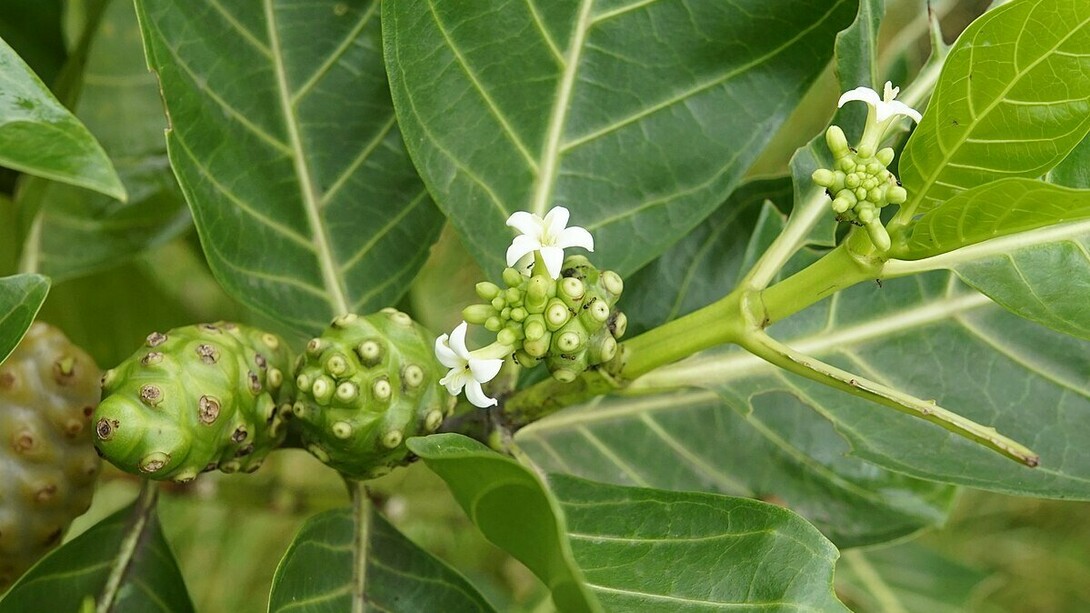
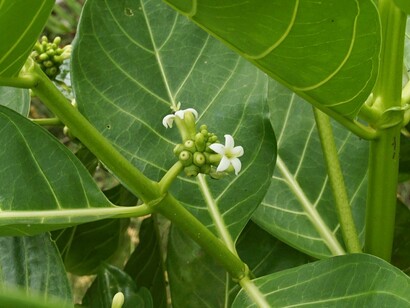
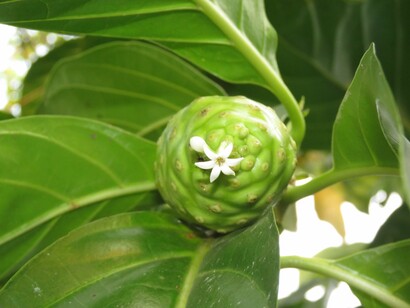
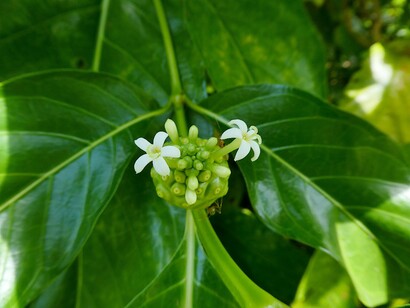
Not everyone has heard of the noni plant, also known as Morinda citrifolia, but it has gained popularity in the world of natural health care. The noni plant, which is native to Southeast Asia and Australasia, has been used for medical purposes by various cultures in these regions. Some East Asian cultures have traditionally used parts of the noni to treat ailments such as headaches, burns, and arthritis, as well as to treat chronic conditions like diabetes, hypertension, and tuberculosis. The medicinal potential of the plant comes from its rich content of several chemicals, including terpenoids, flavonoids, and alkaloids, to name a few. These compounds, which belong to three major categories of organic chemicals in certain plants, have demonstrated anti-viral, anti-inflammatory, and anti-cancer properties. Moreover, along with the more than 200 other chemicals found in the noni plant, they also exhibit antibacterial properties.
Researchers are continually seeking new antibiotics to combat the growing threat of resistant bacteria. The term “superbug” refers to bacteria that are resistant to most or all commonly used antibiotics. One of the most notorious superbugs is methicillin-resistant Staphylococcus aureus or MRSA for short. These superbugs and resistant bacteria pose a significant global health threat, reportedly causing the deaths of 700,000 people each year. It is predicted that by 2050, annual deaths from these bacteria could skyrocket to 10 million unless new, effective treatments are discovered. While synthetic antibiotics have been explored, they often tend to lose effectiveness over time and can lead to issues with toxicity and side effects. As a result, researchers are increasingly investigating more natural, plant-based options that could complement or replace current antibiotics in the battle against superbugs, and the noni plant offers a wealth of chemical compounds for study.
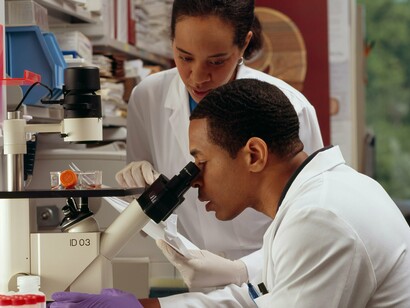
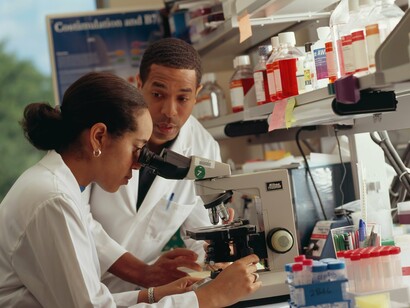
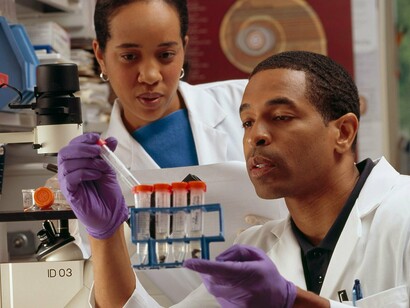
A research team from Ghana recently tested the antibacterial capabilities of various parts of the noni plant. They tested extracts from the roots, leaves, and fruit—either fresh, dried, or fermented. To be more thorough, the team used different liquid solvents for the extracts, ranging from 60 percent ethanol to 100 percent ethanol. They tested these extracts against eight pathogenic bacterial species, three of which were Gram-positive (with thicker cell walls), while the remaining five were Gram-negative (with thinner cell walls). This selection aimed to test the noni extract's effectiveness against bacteria that physically resist chemical treatments, such as the Gram-positive species.
To confirm the effectiveness of each extract combination, the team added the bacteria and extracts to Petri dishes. The dishes were left in an incubator for a day to allow the bacteria to grow in the dish and make it opaque. However, if a treatment was effective in anti-bacterial activity, there would be a clearing around the treatment, representing no bacterial growth. The clearing was then measured with a ruler to determine effectiveness; the bigger the clearing, the more effective the extract was.
After the test, all extract combinations proved that they could prevent bacterial growth for Gram-positive and Gram-negative bacteria, but they did not do so to the same degree. The root extracts were the most effective and had the largest area of bacterial clearance. The runners-up were extracts from the dried fruit, then fermented fruit, and then the fresh fruit, in that order. Unfortunately, the extract from the leaves showed the least amount of clearance, but when 100 percent ethanol was used for the extraction, it improved the amount of clearance for all extracts. The differences in each of the extracts' effects came down to the fact that there are different chemicals in each part of the plant, but this test seems to prove that the most effective antibiotic chemicals are, in fact, in the root of the noni plant.
These findings also highlight the importance of investigating traditional medicinal knowledge through modern scientific methods. Plants that have been used for generations may offer valuable clues in the search for new treatments, particularly at a time when antibiotic resistance is advancing faster than pharmaceutical development.
While the noni plant has been spotlighted as a new and natural medicinal herb, with both supplements and health products advertising its use, its efficacy and safety haven’t yet been verified. This previously mentioned study from Ghana confirms that extracts from the noni plant can prevent bacterial growth, but the specifics of how it is done and which of the chemicals are causing it need to be determined. The Ghana team is planning on optimizing the extraction method used and testing the extracts on more pathogenic bacteria to determine the full potential of the noni plant. After optimizing, the extracts can be used in clinical trials to confirm their safety and determine their therapeutic use. So, while the noni plant is already being commercialized, there is no need to join the bandwagon yet; not until everything from efficacy to safety has been proven scientifically and approved for human use.