English
 Español
 Français
 Deutsch
 Italiano
 Português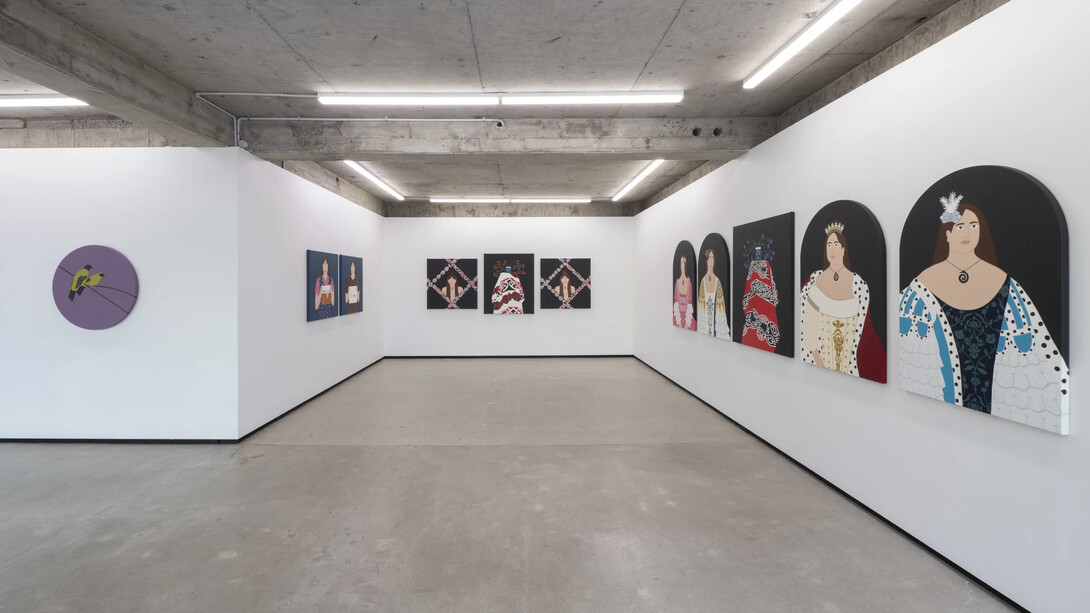
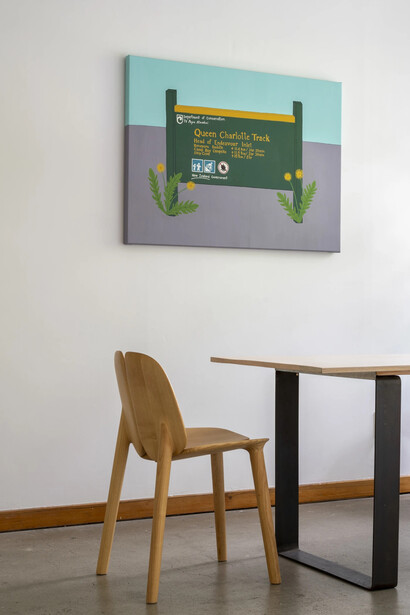
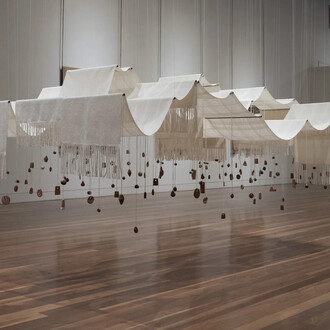
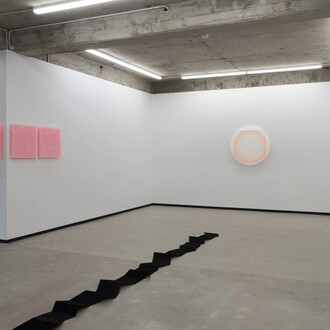
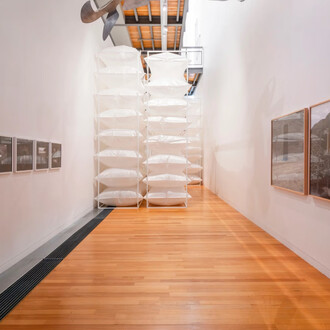
Te pōwhiri brings together a new body of work that looks closely at Queen Charlotte Sound / Tōtaranui as a site of first encounters and myth-making. Focusing on Ship Cove and Endeavour Inlet, places repeatedly visited by Captain Cook and his crews, Green considers how these landscapes became staging grounds for refuelling, repairing, mapping, and claiming territory. Cook referred to the cove as 'our old station,' a sanctuary that sustained his voyages and, in turn, became inscribed with imperial intention.
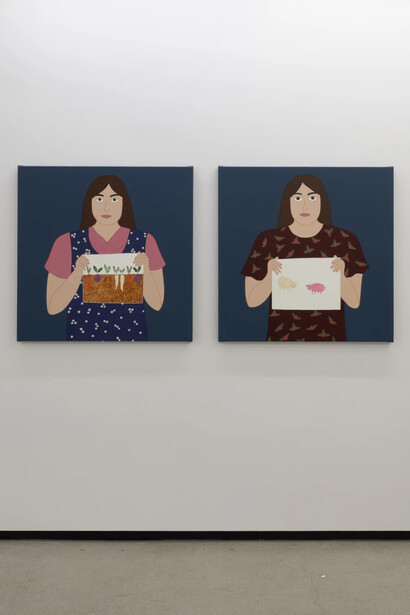
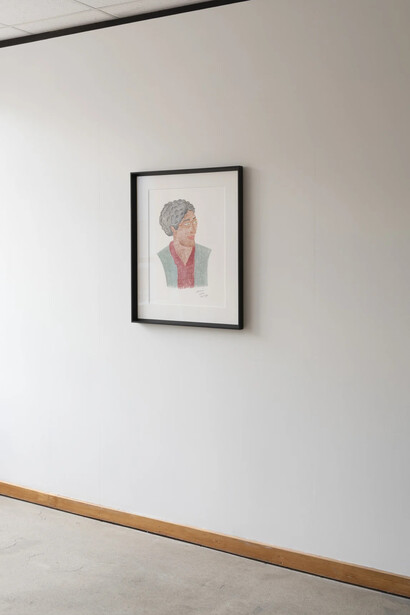
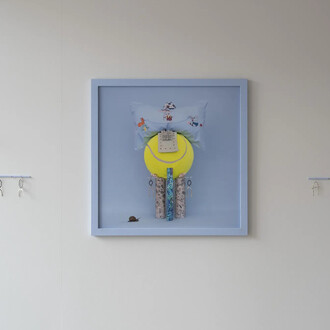
Rather than retelling these histories directly, Green asks a wider question: "What is land when it is reduced to its resources, and who gets to manage or maintain them?" The works in Te pōwhiri introduce a set of 'characters', from Queen Charlotte to introduced animals and vegetables, signage, kōwhaiwhai, and birds, that gesture toward the beginnings of these relationships. Some works look to the whakapapa of image-making and how landscapes were painted, circulated, and used as propaganda. Others consider Māori motifs detached from place, reproduced as generic symbols of 'Māori-ness.' Across the exhibition, Green reflects on how representation shapes understanding, belonging, value, and power.
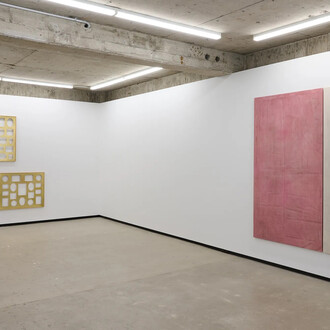
Te pōwhiri sets the scene for an unfolding story, a first act that probes how histories of resource extraction, imagery, and authority continue to structure our relationship to whenua.
At school we learn of this courageous man
who came and found our untamed land.
Aboard a ship, he was all at sea
‘til he came across old Tāhiti.
“Take me to this southern shore
where none like me have been before.
I want to gaze on starry skies,
watch Venus pass before my eyes.
Say savage, do you know of this place,
peopled by a similar race?
Brown of skin and dark of hair?
We’ll go in peace, no cause of fear!(Extract from an exhibition response, written by Matariki Williams. The full piece can be read online or at the gallery)