English
 Español
 Français
 Deutsch
 Italiano
 Português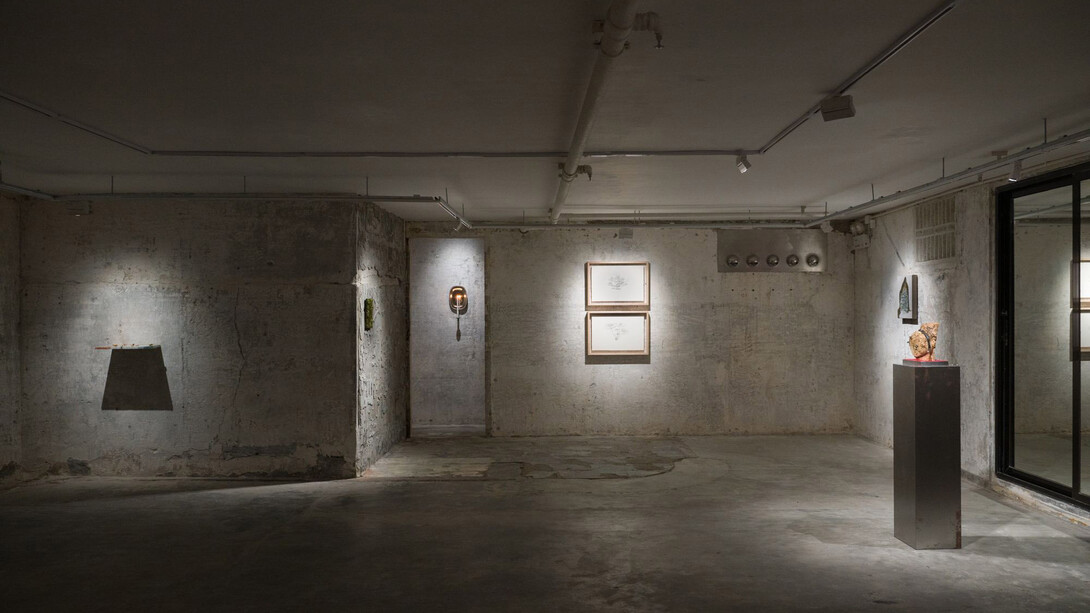
At first, we tried to kill them, these spindly fingers of green and bruised purple. Emerging from the raw concrete and creeping over the pipes and railings, they took hold of the gallery’s exterior rooftop space, untouched by typhoons and droughts. For how long they had been there, we didn’t know—but we saw how fast they grew, and we were afraid.
They were surprisingly easy to uproot, requiring nothing more than a sharp tug that revealed shallow roots attached to a pile of dust. One summer, we spent hours inspecting every crevice of the rooftop, mechanically erasing any trace of these plants. But the next month, they all grew back.
We looked up the species: mother of thousands. We learned that the plant propagates vegetatively by growing plantlets on its leaf margins, the offspring developing tiny roots before falling off onto the ground. Exhausted by their desire to survive, we let them be, allowing them to grow along the walls and in our plant pots.
Two years ago, not long after our last group exhibition“Tendering, we noticed some of them growing spiky buds. In March, they opened to magenta flower bells, the petals slender and luminous. Mysteriously, after blooming, the plants then withered and died. We read that this often happens after the mother expends an enormous amount of energy producing flowers, giving this process a special name: the death bloom.
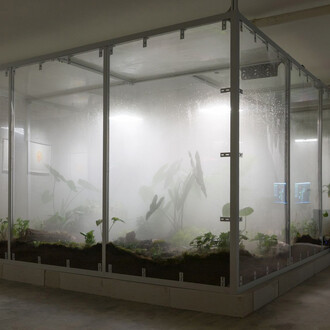
We came upon the title for the exhibition, Mothering, while questioning the nature of time and its strange generative possibilities. Socially, we think of mothering and the process of birth and life as miraculous—a narrative of convenience that erases women’s labor and reduces their bodies to vessels—and yet there is always something unforgiving in growth. To give form to life, you cannot elide violence and grief, conflict and loss. Growth is never merely conceptual; it is bodily, an unfamiliar visitor to the self, often humbling, sometimes frightening.
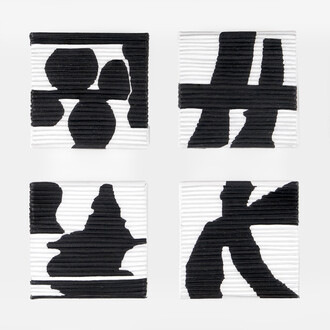
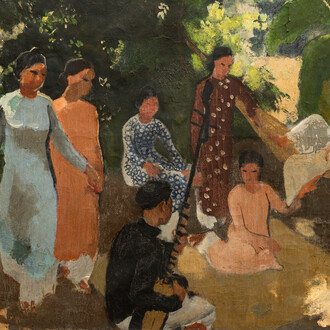
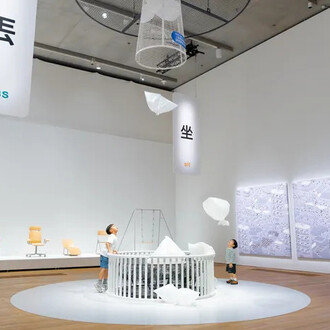
It is a paradox that we all experience: to heal, we must grow, but to grow, we must endure. Our group exhibitions have always been opportunities for us to meditate and reflect on our space and its purpose, a brief respite from the operational grind of openings and closings, fairs and travels. In examining the work of the artists we surround ourselves with, we find introspective turns within each practice, a homage to the invisible, sometimes more-than-human elements that give form to new life. To mother is to birth, to nurture, and to seek alternate, sometimes even painful, paths of growth—we are reminded of the tiny plantlets that fall from the parent, bright-white roots already attached, ready to begin again.